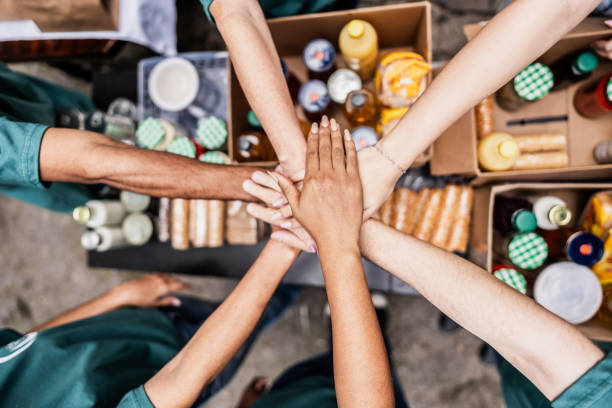
Finding the best NGOs in Tanzania is essential for anyone who wants to support community development or find a meaningful volunteer role. These organizations work hard to improve health, education, and legal rights for people living in both rural and urban areas. You will find that these top-rated groups use transparent methods to reach the most vulnerable citizens across the nation.
The non-governmental sector plays a massive role in supporting the national goals set by the government. This article highlights the most impactful organizations that are currently making a difference in the lives of Tanzanians.
These are the Best NGOs in Tanzania
Tanzania has a vibrant community of non-profit groups that serve millions of people every single year. These organizations are chosen for their long history of success and their strong relationships with the local people. Here are the top ten non-governmental organizations that lead the way in improving lives across the country today.
1. Legal and Human Rights Centre (LHRC)
The Legal and Human Rights Centre is a leader in protecting the rights of all citizens in the country. They provide free legal aid to people who cannot afford a private lawyer for their court cases. The group publishes annual reports about the state of human rights and justice in the region. They also educate voters about their rights during election periods to ensure a fair process for everyone. Many people view them as the best NGO in Tanzania for justice and social equality.
2. HakiElimu
This organization focuses entirely on improving the quality of education in primary and secondary schools across the nation. They conduct deep research to find out why some children are not learning well in the classroom. The group uses media campaigns to tell parents about the importance of school for their children. They also work with the government to improve the national curriculum and provide better teacher training. Their work has helped millions of children get a better start in life through knowledge.
3. Twaweza East Africa
Twaweza is an organization that works to improve governance and citizen participation in local decision-making processes. They use data and surveys to find out what the ordinary person thinks about the health and water services. The group shares this information with the government so that public services can be improved for the people. They also run programs that encourage people to take action and solve problems in their own villages. It is a very innovative group that believes in the power of information and local action.
4. Tanzania Women Lawyers Association (TAWLA)
TAWLA is a specialized group that focuses on the legal rights of women and children in Tanzanian society. They help women get their land rights and provide support in cases of domestic violence or inheritance. The group also advocates for better laws that protect the rights of girls in schools and at home. They have offices in several regions which makes it easy for women to seek professional legal help. Their dedication to the female population has made them a very respected voice in the legal sector.
5. AMREF Health Africa
AMREF is one of the largest health organizations in the continent and has a very strong presence in Tanzania. They focus on improving maternal health and ensuring that mothers can give birth safely in clean clinics. The group also trains local health workers to manage diseases like malaria and tuberculosis in rural villages. They use mobile clinics to reach people who live far away from the regular government hospitals. Their work is vital for the health and safety of millions of Tanzanians every single day.
6. Jane Goodall Institute (JGI)
The Jane Goodall Institute is famous for its work in protecting chimpanzees and their natural forest homes. They have a large project in the Gombe Stream National Park where they study animal behavior and forest health. The group also works with the local villages to promote sustainable farming and environmental education for the youth. They believe that protecting nature is essential for the future of the human population as well. It is a top choice for anyone interested in wildlife conservation and community development together.
7. World Vision Tanzania
World Vision is a global organization that works to improve the well-being of children in the most difficult areas. They provide clean water, nutritious food, and educational materials to schools and families in need. The group also helps communities prepare for natural disasters like droughts or heavy floods during the rainy season. They use a sponsorship model that allows people from around the world to support a specific Tanzanian child. Their long-term presence in the country has led to many successful community projects and healthier children.
8. Pathfinder International
Pathfinder focuses on reproductive health and family planning services for women and young people in the country. They believe that every person should have the right to decide when to have a family and how to stay healthy. The group works closely with local clinics to provide modern contraceptives and health education to the public. They also focus on the health of teenagers and help them stay in school by preventing early pregnancies. Their work helps to build stronger and more stable families across the various regions of Tanzania.
9. SNV Tanzania
SNV is an international development organization that focuses on agriculture, energy, and water services for the poor. They help small-scale farmers improve their crop yields and find better markets for their local products. The group also promotes the use of clean cooking energy and solar power in rural households and schools. They work on ensuring that everyone has access to safe drinking water and good sanitation facilities at home. Their practical approach to development has helped many families increase their income and live better lives.
10. PACT Tanzania
PACT works on economic strengthening and health programs for orphans and vulnerable children across the whole nation. They help families start small businesses so they can afford to pay for school fees and medical bills. The group also provides support to people living with HIV to ensure they get the right medicine and care. They work with local community groups to build a strong network of support for the most needy citizens. Their focus on self-reliance and community strength makes them one of the best NGOs in Tanzania today.
The Role of Non-Governmental Organizations in Society
NGOs in Tanzania serve as a bridge between the government and the ordinary people living in remote areas. They often provide services where the government has limited resources or cannot reach due to bad road conditions. These groups are essential for the growth of the nation because they focus on specific problems that affect the daily life of citizens. For example, some NGOs only focus on providing clean water while others only look at the rights of the elderly. This specialized focus allows them to become experts in their fields and provide high-quality solutions for the people. Most of the best NGOs in Tanzania have a deep understanding of the local culture and language which helps them work better.
Another important role of these organizations is to hold the government accountable for its actions and spending. Groups like LHRC and Twaweza use reports and data to show where the government needs to work harder for the citizens. This pressure helps to reduce corruption and ensures that public money is used for the right purposes like building roads and schools. NGOs also provide a voice for people who are often ignored such as the disabled or the very poor in society. By speaking up for these groups, NGOs help to create a more just and fair society for every Tanzanian citizen. They also provide thousands of jobs for local professionals who want to serve their country in the development sector.
How NGOs are Registered in Tanzania
Every non-governmental organization in the country must be registered according to the NGO Act of 2002. This law requires the groups to have a clear constitution and a board of directors to manage their activities. The registration process is managed by the Registrar of NGOs under the Ministry of Community Development. This ensures that every group is genuine and follows the laws of the land while helping the public. Registered groups must also submit annual reports and financial statements to show how they used their funding every year. This level of transparency is important for keeping the trust of the donors and the local Tanzanian community.
| NGO Sector | Main Activity | Major Organizations |
|---|---|---|
| Health | Maternal care, HIV/AIDS, Malaria | AMREF, MDH, THPS |
| Education | School building, curriculum, literacy | HakiElimu, Room to Read |
| Environment | Forest protection, wildlife, climate | WWF, JGI, AWF |
| Human Rights | Legal aid, voter education, gender | LHRC, TAWLA, WLAC |
| Agriculture | Farmer training, irrigation, seeds | SNV, One Acre Fund |
Common Challenges Faced by NGOs
Despite their great work, many organizations face challenges that can slow down their progress in the field. Funding is often the biggest problem because most groups rely on donations from foreign countries or wealthy individuals. When the global economy is bad, the amount of money available for charity work often decreases significantly. This can lead to some projects being stopped before they are finished which hurts the local people. Another challenge is the difficult terrain and bad roads in the rural parts of the country during the rainy season. This makes it hard for the staff to reach the villages and deliver food or medical supplies to the needy families.
The government also introduces new regulations from time to time that can be difficult for smaller groups to follow. Sometimes the paperwork and the fees required for registration can be a burden for a small local NGO started by villagers. There is also the challenge of coordinating with other groups to avoid doing the same work in the same village. If five different groups are all trying to build a well in one small town, it is a waste of resources for everyone. To solve this, many of the best NGOs in Tanzania now work together in networks to share information and help more people. They also use technology to improve their efficiency and reach more citizens through their mobile phones.
Volunteer Opportunities with Local NGOs
If you want to help the community, many organizations offer volunteer positions for both local and international people. You can use your skills in teaching, medicine, or accounting to help these groups reach their goals faster. Volunteering is a great way to learn about the local culture and gain professional experience in the development sector. Most groups will ask you to fill out an application and show that you are dedicated to their specific mission. Some may provide basic housing and food while others require you to cover your own costs during your stay. It is a rewarding experience that allows you to see the real impact of the best NGOs in Tanzania on the ground.
- Medical Volunteers: Nurses and doctors are always needed to help in rural clinics and health camps.
- Teaching Volunteers: You can help children learn English, math, or computer skills in local primary schools.
- Environmental Volunteers: Join projects that plant trees or protect sea turtles on the coastal beaches.
- IT Volunteers: Many groups need help setting up computers and managing their social media pages for the public.
- Business Volunteers: You can teach women and youth how to manage their money and grow their small businesses.
- Research Volunteers: Help groups collect data and write reports about the local community needs and challenges.
The Impact of Global Partnerships
Many Tanzanian NGOs work with big international groups like the United Nations and the World Bank to get more help. these partnerships provide the local groups with more money and the latest technology for their daily work. For example, a local group might receive modern water pumps from a partner in Europe to help a dry village in Dodoma. These global links also allow Tanzanian experts to share their knowledge with people from other countries in Africa. This exchange of ideas helps to find the best NGO in Tanzania solutions for common problems like poverty and disease. Global partnerships ensure that the work being done in Tanzania meets the highest international standards of quality and safety.
The use of mobile money technology is a great example of how partnerships have improved NGO work in the country. Many groups now use M-Pesa to send money directly to poor families for food or school materials in a safe way. This reduces the risk of money being stolen and ensures that every cent reaches the right person in the village. It also allows the organization to track the spending and ensure that the projects are staying on budget. The local people also find it much easier to receive their support through their phones rather than traveling to a distant office. This digital growth is a sign of a modern and efficient non-profit sector that is ready for the future of the nation.
Success Stories from the Field
There are many stories of how these organizations have changed the lives of real people in the country. One famous story is about a young girl in a remote village who was about to be married at the age of twelve. A local NGO intervened and spoke to the family about the importance of her education and the law. Today, that girl is a trained nurse who works in her own community to help other mothers give birth safely. This shows that the best NGOs in Tanzania do more than just give out food; they change the way people think and act. Their work creates a ripple effect that benefits the entire community for many generations to come.
Another success story comes from the dry regions where farmers were struggling to grow enough food for their children. An agricultural NGO introduced a new type of drought-resistant maize and taught the farmers how to use irrigation. Now, the village has a surplus of food and they sell the extra maize to the local markets in the big cities. This has increased the income of the whole village and allowed them to build a new medical clinic for their families. These stories are a testament to the hard work and dedication of the people who work in the non-profit sector. Every project, no matter how small, has the potential to make a massive difference in the life of a Tanzanian citizen.
Other Good NGOs in Tanzania
1. Plan International: This group works hard to protect children from violence and early marriage in rural areas across the country. They provide safe spaces for girls to learn and lead in their local communities every single day. Using best NGOs in Tanzania as a guide, they are a top partner for child protection today.
2. Save the Children: This organization focuses on the health and nutrition of babies and young children in the most vulnerable families. They work on ensuring that every child survives their first five years and gets a good quality education. You will find their teams working in refugee camps and remote villages to save lives.
3. WaterAid Tanzania: This group is dedicated to providing clean drinking water and decent toilets to schools and local health centers. They believe that clean water is a human right and essential for preventing many of the local diseases. Their projects help to keep children healthy so they can stay in school and learn every day.
4. CARE International: CARE works on empowering women in the agricultural sector by teaching them modern farming and business skills in the field. They help women join savings groups so they can save money and take small loans for their homes. Their work is essential for building strong and independent women who can support their own families.
5. Oxfam Tanzania: This group focuses on fighting inequality and ensuring that small-scale farmers get a fair price for their crops and products. They also work on climate change projects to help communities adapt to the changing weather patterns in the region. Many people respect them for their bold stance on justice and their support for the rural poor.
6. Restless Development: This is a youth-led organization that trains young people to be leaders and solve problems in their own local neighborhoods. They focus on health, employment, and the civic participation of the youth in the national development goals. It is a great place for young Tanzanians to gain skills and help their own country grow.
Conclusion
Choosing to support the best NGOs in Tanzania is a powerful way to help build a better future for everyone in the country. These organizations provide the essential services and expert guidance needed to solve the most pressing social and environmental problems today. You can make a big difference by volunteering your time or donating money to these best NGOs in Tanzania that you trust the most. The hard work of these groups ensures that the nation continues to grow and that no citizen is left behind in the journey of development. Together, the government and the non-profit sector are creating a healthy and prosperous Tanzania for the next generation.