Selecting the best month to visit Tanzania is easy when you plan your trip during the dry season from June to October. This period offers clear blue skies and the best opportunities to see the Great Migration in the northern plains. You will also enjoy the best beach weather in Zanzibar during these sunny and very dry months.
Understanding the local weather patterns helps you pick a time that fits your budget and your travel dreams. This guide breaks down the top periods of the year for various activities across the country.
These are the Best Months to Visit Tanzania
Tanzania has a diverse climate that changes the behavior of the wildlife and the look of the landscape every single month. Choosing the right time depends on your personal interests, such as seeing the river crossings or enjoying a quiet trip. Here is a detailed look at the top months for your next big African adventure.
1. June
June is the official start of the long dry season and is widely considered a perfect time to see the migration. The weather is cool and pleasant during the day, which makes long drives across the plains much more comfortable. As the rain disappears, the bush begins to thin out and the grass becomes very short and golden. This allows you to spot lions and leopards much faster than in the tall green grass of the wet months. Many experts suggest this month because the large crowds of the peak summer season have not yet arrived. It is a great time for photography because the air is very clear and the light is soft. You will find that the nights are cool, so you should bring a warm jacket for the morning drives. The best month to visit Tanzania for a fresh dry season experience is often June.
2. July
July is a peak month for tourism because it offers the most reliable wildlife viewing in the northern national parks. The Great Migration usually reaches the northern Serengeti where the famous river crossings start to happen every day. The weather is very stable and sunny, so you do not have to worry about rain ruining your plans. Because it is very dry, animals gather in huge numbers around the permanent water sources like the Mara River. You will see many elephants and buffaloes moving together in large herds across the dry and open land. This month is very popular for families because schools are on holiday in many parts of the world. You should book your lodges many months in advance because they fill up very quickly in July. The atmosphere in the parks is very energetic and full of other excited travelers from different countries.
3. August
August is another excellent choice for a safari because the conditions remain very dry and the wildlife is active. It is the best time to visit the southern circuit parks like Ruaha and Nyerere for a wild experience. The temperature is warm but not too hot, and the lack of water forces animals to stay near the rivers. You can enjoy boat safaris where you will see hundreds of hippos and crocodiles resting in the sun. The visibility in the bush is at its best because the vegetation has died back significantly during the heat. This month offers a great chance to see rare animals like the African wild dog in the southern regions. It is a busy time, but the vast size of the parks means you can still find quiet spots. August is a reliable month for anyone who wants a classic and very productive African safari journey.
4. September
September offers a wonderful balance of great weather and slightly fewer crowds compared to the middle of the summer. The landscape is very dry and the air can be a bit dusty, which creates amazing red sunsets. You can see the river crossings continue in the north as the wildebeest look for fresh grass to eat. Many people choose this month to visit Zanzibar because the ocean is very calm and clear for diving. The trade winds are steady, making it a perfect time for sailing in a traditional wooden dhow boat. You will find that the animals are very easy to track because they do not move far from water. The clear skies are perfect for stargazing in the middle of the bush during the quiet nights. It is a sophisticated time to travel for those who enjoy a more relaxed and peaceful atmosphere.
5. October
October is the final month of the long dry season and is often the hottest period of the entire year. The animals are very concentrated around the last few waterholes, making your game drives very fast and successful. You can witness many dramatic hunting scenes as predators wait for their prey near the drying rivers and pools. The southern parks are particularly impressive in October as the heat brings out a very raw side of nature. This is a great month for those who do not mind the heat and want maximum wildlife action. The short rains sometimes start at the end of the month, which brings a welcome relief to the land. You will see the first green shoots appearing in the soil after the very first afternoon showers fall. It is a month of high drama and intense natural beauty across all the different Tanzanian regions.
6. January
January falls during the short dry season and is a beautiful time to see the lush green scenery. The Serengeti is full of fresh grass and the Great Migration moves to the southern plains for the calving. You will see thousands of baby wildebeest being born every day on the open and green plains of Ndutu. This attracts many hungry lions and cheetahs, providing an exciting time for those who love big cat action. The weather is generally hot and humid, but the short rains have usually finished by the start of January. This is a fantastic month for bird watching as many migratory birds are present in the national parks. You can enjoy lower prices at many lodges compared to the busy peak months of the dry summer. It is a very vibrant and full-of-life time to explore the northern parts of the country.
7. February
February is the peak of the calving season and is widely known as the best time for predator sightings. Because there are many young and vulnerable animals, the lions and cheetahs are very active during the day. The weather is very warm and the grass in the southern Serengeti is short, making viewing very easy. You will find that the parks are less crowded than in July, providing a more intimate wildlife experience. This is a popular month for professional photographers who want to capture the circle of life in the bush. The green background and the clear morning light make for some of the most stunning animal portraits. You can also visit the Ngorongoro Crater which remains a top choice for wildlife viewing throughout the year. It is a social month where you can meet many other nature lovers in the local safari camps.
8. December
December is a festive month that offers a great mix of green landscapes and very active wildlife for guests. The short rains have usually passed, leaving the parks looking fresh and very beautiful for the holiday season. You can enjoy a unique Christmas or New Year's Eve in a luxury lodge under the African stars. The migration is moving south through the central Serengeti, so you can see large herds on the move. Many people combine their safari with a trip to the white beaches of Zanzibar for the warm weather. It is a very happy time to be in Tanzania, with many special dinners and events in the hotels. You should book early because many people travel during this time to escape the cold winter of Europe. The atmosphere is very welcoming and full of holiday cheer for travelers and their whole families.
9. March
March is a transition month that offers quiet parks and very lush scenery at a much lower cost. The long rains usually start at the end of the month, but the first two weeks are often dry. You will have the animal viewing spots all to yourself as there are very few other vehicles around. The vegetation is at its most green, which creates a very soft and beautiful backdrop for your photos. You can find many great deals on luxury lodges as they lower their rates before the wet season. The air is very clean and the visibility is great for seeing Mount Kilimanjaro clearly from a distance. It is a good choice for budget-conscious travelers who want a high-quality and very private safari experience. You should be prepared for some afternoon rain, but the weather is generally warm and pleasant.
10. November
November is the month of the short rains, which brings a welcome relief to the dry and dusty land. The first rains trigger the migration to start moving back from the north toward the southern plains. You will see the grass turning green almost overnight and many flowers beginning to bloom in the parks. The prices are much lower during this month, making it a great time for an affordable luxury trip. It is a dramatic time for photography because the big storm clouds create amazing light over the plains. While there is some rain, it rarely lasts all day and most game drives can still go ahead. Many experienced travelers love this month for the unique colors and the sense of change in the wild. It is a very peaceful time to visit the coastal areas before the busy December crowds arrive.
| Month Group | Season | Migration Status | Zanzibar Weather |
|---|---|---|---|
| June - Oct | Long Dry | North Serengeti / Crossings | Sunny & Dry |
| Nov - Dec | Short Rains | Moving South | Warm & Humid |
| Jan - Feb | Short Dry | Southern Plains / Calving | Hot & Sunny |
| Mar - May | Long Rains | Central Serengeti / Green | Wet & Humid |
- Wildlife Visibility: Dry months are best as animals gather near water and grass is short.
- The Migration: June to October for river crossings; January to February for the calving season.
- Beach Holidays: June to October and January to February offer the best beach weather on the islands.
- Budget Travel: November, March, and May offer the best discounts on luxury lodges and safari tours.
- Bird Watching: November to April is the best time to see migratory birds from the northern hemisphere.
- Mountain Climbing: July to October and January to March offer the clearest and safest trekking conditions.
- Photography: June and July offer clear air; November and December offer dramatic skies and green colors.
- Private Experience: May, November, and March are the quietest months with the fewest tourists in the parks.
Average Temperatures in Main Regions
Tanzania is a large country with different altitudes that affect the local temperatures in every region. The coastal areas are always warm and humid, while the northern highlands can get very cold at night. Understanding these differences will help you pack the right clothes for your daily adventures in the sun. Most safari days start with a cool morning and end with a very warm afternoon in the bush. Here is a guide to the average temperatures you can expect during your visit to the country.
| Region | Dry Season (Day/Night) | Wet Season (Day/Night) |
|---|---|---|
| Dar es Salaam | 30°C / 19°C | 32°C / 23°C |
| Arusha / Moshi | 25°C / 12°C | 27°C / 15°C |
| Serengeti | 26°C / 14°C | 28°C / 16°C |
| Ngorongoro Rim | 19°C / 8°C | 22°C / 10°C |
| Zanzibar | 29°C / 20°C | 31°C / 24°C |
When you are planning your visit, remember that the high altitude of the Ngorongoro Crater means it is much colder than the plains. Even in the hottest months, you will need a warm sweater for the early morning drives into the crater. The coastal cities like Dar es Salaam and Tanga feel much hotter because of the high humidity from the ocean. If you are climbing Mount Kilimanjaro, you will experience temperatures from tropical heat to freezing cold in one week. Always check the local forecast for the specific week you plan to arrive in the country. This helps you stay comfortable whether you are on a dusty trail or a sandy beach in the sun.
The "long rains" from April to May are the only time when some remote camps might close their doors for a break. During these months, the rain can be very heavy and some roads in the southern parks become difficult to drive on. However, the northern circuit remains open and offers a very unique and lush experience for adventurous travelers. You will see the parks at their most green and you will have the animals all to yourself. This is the best time for those who want to see the "emerald" version of the African wilderness. The clouds usually clear in the afternoon, providing beautiful light for your photos of the mountains and the plains.
Most travelers find that spending ten days allows them to see the best of both the safari and the beach. You can spend five days in the parks and then fly to the islands for a relaxing end to your trip. The best month to visit Tanzania for this combination is usually September when both areas have perfect weather. Local tour operators are very good at planning these multi-destination trips to make the most of your time. You can use small bush planes to hop between the different parks and save hours of driving on the roads. This makes the journey much more comfortable and gives you more time to watch the amazing wildlife in their home.
It is also important to think about the local cultural events when you are deciding on the best time for your trip. Festivals like Sauti za Busara in Zanzibar happen in February and bring a lot of life and music to the islands. The Karibu Travel and Tourism Fair in Arusha usually takes place in June and is a great place to meet local guides. These events offer a chance to see the human side of the country and meet the friendly Tanzanian people. You will find that the local hospitality is warm in every month, but these festivals add an extra layer of fun. Plan your dates carefully to include at least one cultural experience during your stay in the nation.
The Great Migration is a natural event, so the exact dates of the river crossings can change every single year. You should stay in touch with your safari company to get the latest updates on where the herds are located. They use radio communication and local knowledge to ensure you are always in the best place for the action. The southern part of the Serengeti is vast, and the calving season is a truly moving experience to witness in person. Watching a baby wildebeest stand up for the first time is a memory that stays with you forever. Tanzania is a land of constant wonder, and there is always something new to see regardless of the month you choose.
Other Good Periods to Visit Tanzania
1. Late June for the start of the dry season: This period offers the best month to visit Tanzania if you want green scenery without any of the heavy rain. The animals are starting to gather around the water, but the landscape is still fresh and full of color from the recent rains. You can enjoy lower prices than the peak months while having almost perfect weather for your game drives.
2. April for budget-friendly safaris: While it is the wettest month, April is perfect for travelers who want to see the parks without any other vehicles around them. You can stay in very expensive luxury lodges for a fraction of the normal price during this low season period. The vegetation is lush and the animals are healthy, providing a very beautiful and unique look at the African bush.
3. Late December for the festive atmosphere: Visiting during the last week of the year allows you to experience the holiday spirit in a very unique tropical setting. The weather is usually warm and dry enough for both safari adventures and relaxing on the white sandy beaches of Zanzibar. Most hotels organize special dinners and music events to celebrate the new year with their international and local guests.
4. May for bird watching enthusiasts: As the long rains start to slow down, the parks are full of water and vibrant flowers that attract many birds. This is the best month to visit Tanzania if you want to see the rare migratory species before they fly back north. You will find the air very clean and the parks extremely quiet, providing a very peaceful and natural environment for study.
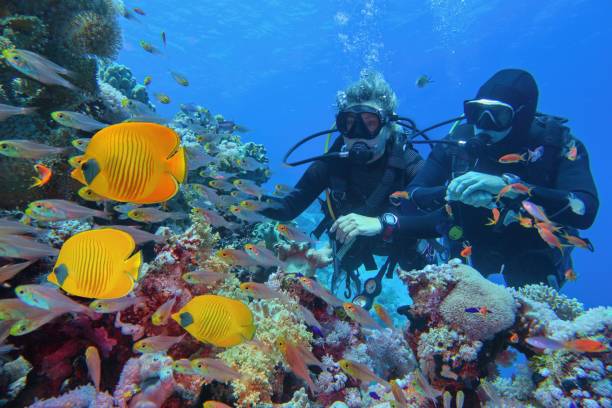
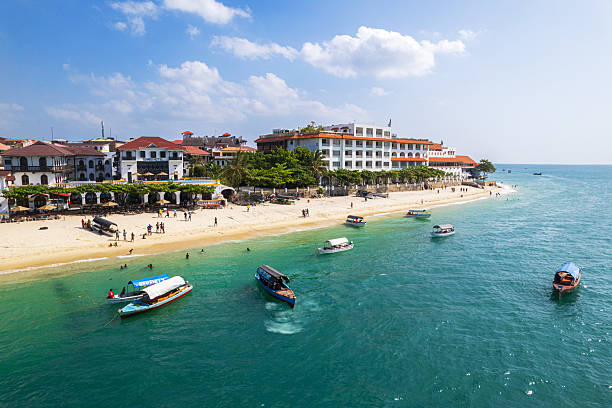
5. Late September for clear Zanzibar waters: This is the ideal time for snorkeling and diving because the ocean is at its most calm and the visibility is excellent. You can see the coral reefs and the colorful fish very clearly during the sunny days of the late dry season. The temperature is perfect for spending long hours on the beach or exploring the historical streets of Stone Town.
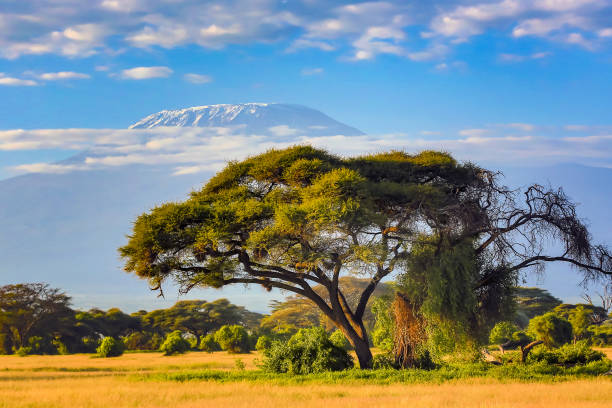
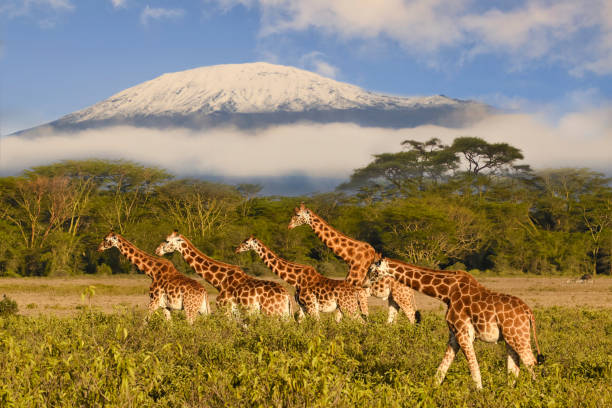
6. March for seeing the mountains: The air is often very clear in March just before the big rains begin, offering great views of the peaks. You can see the snow on Mount Kilimanjaro from many miles away and enjoy a quiet safari in the nearby Arusha National Park. It is a good time for those who want a mix of mountain scenery and early green season wildlife viewing.
Conclusion
Finding the best month to visit Tanzania depends on your personal interests and your travel budget for the big adventure. The dry season from June to October remains the most popular time for seeing the Big Five and the Great Migration today. However, the green months offer a unique beauty and better value for those who want a quieter and more private experience. Every month in this East African nation has something special to offer, from newborn calves to dramatic river crossings. Make sure to plan your trip in advance and choose the time that best fits your dream of a perfect holiday. Your visit to the best month to visit Tanzania will be a memory you cherish for the rest of your life.

.webp)


.webp)
.webp)