Identifying the best currencies to use in Tanzania is essential for every visitor arriving in East Africa. You must have local money for small shops and foreign cash for large hotel bills. This guide explains which notes to carry for a stress-free holiday in the city.
Planning your budget requires understanding which notes the local vendors and government offices accept most readily. These tips will help you manage your cash effectively while exploring the beautiful islands and parks.
These are the Best Currencies To Use in Tanzania
Managing your money in a foreign country can be very difficult without the right information about local habits. Tanzania has a unique system where both local and foreign notes are used for different types of purchases. Most small traders only accept the local coin while big tourist companies prefer foreign notes like the Dollar. You should always carry a mix of cash to ensure you can pay for everything without any delays. Here is a detailed list of the top options for your wallet right now.
1. Tanzanian Shillings (TZS)
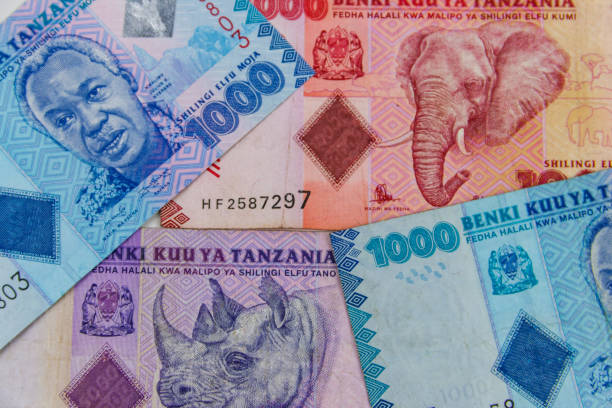
Tanzanian Shillings are the most important currency in Tanzania for buying food and taking local taxis. You will need these coins and notes for every street market and local grocery shop. For example, use Shillings to pay for a plate of chips mayai or a soda. A helpful tip is to carry small notes like 1,000 and 2,000 for easier transactions.
- Pay for dala-dala bus rides in the city.
- Buy fresh fruit at the Kariakoo market.
- Give small tips to hotel porters and guides.
- Purchase airtime scratch cards for your phone.
- Pay for entry to small local museums.
- Buy bottled water at roadside stands.
- Use at local pharmacies for medicine.
- Pay for haircuts at a local barbershop.
- Buy handmade souvenirs at the Maasai Market.
- Use for public toilet fees in town.
| Note Value | Color | Common Use |
|---|---|---|
| 10,000 TZS | Red | Big grocery shopping |
| 5,000 TZS | Purple | Lunch at a restaurant |
| 2,000 TZS | Orange | Taxi or bajaji rides |
| 1,000 TZS | Blue | Buying snacks and water |
2. United States Dollar (USD)
The US Dollar is widely accepted and often required for high-cost items like safari tours. You must use Dollars to pay for your entry visa at the airport or border. Ensure your notes are printed after the year 2006 to be accepted by banks. A useful tip is to carry 1, 5, and 10 dollar bills for small tourist tips.
- Pay for luxury safari lodge stays.
- Buy national park entry permits easily.
- Pay for international flight tickets locally.
- Book hot air balloon rides in Serengeti.
- Pay for expensive diving trips in Zanzibar.
- Use for high-end boutique hotel bills.
- Pay for private airport transfer services.
- Book long-distance train tickets in advance.
- Use at major international car rental firms.
- Pay for deep-sea fishing excursions.
| Item | Typical USD Price | Note Requirement |
|---|---|---|
| Tourist Visa | 50 to 100 USD | Clean and unbent |
| Park Fee | 60 to 100 USD | Newer than 2006 |
| Safari Day | 200 to 500 USD | Large denominations okay |
3. Euro (EUR)
The Euro is a very strong alternative for travelers coming from Europe to visit the coast. Many large hotels in Zanzibar list their prices in Euros for the convenience of guests. You can easily exchange Euros for Shillings at any local bureau de change in town. A good tip is to check the daily rate at a bank before exchanging. It is among the Tanzania best currencies for international trade and travel today.
- Exchange at the airport upon arrival.
- Pay for hotel rooms in Stone Town.
- Use at European-owned restaurants in Arusha.
- Pay for kitesurfing lessons in Paje.
- Exchange for large amounts of local cash.
- Pay for spa treatments at luxury resorts.
- Use for booking private boat charters.
- Pay for guided city tours in Dar.
- Use at major gemstone jewelry shops.
- Exchange at local banks for better rates.
4. British Pound (GBP)
The British Pound is highly valued and can be exchanged in all major cities and towns. Most exchange bureaus will give you a very good rate for large Pound notes. It is not used for direct shopping but is great for carrying your main travel funds. A helpful tip is to avoid exchanging money on the street to stay safe. You will find that many banks in the city center handle this currency very well.
- Convert to Shillings for daily spending.
- Pay for British council exam fees.
- Use for university tuition in private colleges.
- Exchange for business investment capital.
- Pay for high-value antique purchases.
- Use at large international bank branches.
- Keep as a backup for emergencies.
- Exchange at authorized bureaus in malls.
- Convert for buying large pieces of land.
- Use for luxury yacht rental payments.
5. Kenyan Shilling (KES)
The Kenyan Shilling is useful if you are traveling between Tanzania and Kenya by road. Many traders at the Namanga and Holili borders accept both currencies for small cross-border deals. You can easily swap Kenyan money for Tanzanian cash at these busy border points. A useful example is paying for a quick snack while waiting for bus clearance. It is one of the practical currencies in Tanzania for regional business people.
- Pay for small items at border towns.
- Exchange with cross-border bus drivers.
- Use at local markets near the border.
- Pay for temporary vehicle insurance.
- Exchange at regional banks in Arusha.
- Use for small trade in Tanga.
- Pay for guest houses in border areas.
- Use for buying Kenyan-made products.
- Exchange at small shops in Moshi.
- Use for paying local guides in Tarakea.
6. Credit and Debit Cards (Visa/Mastercard)
While not a paper currency, cards are the best currency to use in Tanzania for modern travelers. Most big supermarkets, hotels, and malls in Dar es Salaam now accept plastic payments. You can withdraw Shillings from ATMs using your international card at any time of day. A practical tip is to inform your bank before you travel to avoid blocked cards. This method is very safe and prevents you from carrying too much physical cash.
- Withdraw cash at CRDB and NMB ATMs.
- Pay for dinner at Masaki restaurants.
- Buy clothes at Mlimani City Mall.
- Pay for hospital bills in emergencies.
- Book domestic flights on local websites.
- Pay for grocery shopping at Shoppers.
- Use at high-end furniture showrooms.
- Pay for gym memberships in the city.
- Use for online visa application fees.
- Pay for rental car fuel at stations.
| Bank ATM | Card Type | Availability |
|---|---|---|
| CRDB Bank | Visa and Mastercard | Very High |
| NMB Bank | Visa and Mastercard | Widespread |
| Standard Chartered | Visa and Mastercard | Major Cities |
7. Mobile Money (M-Pesa / Airtel Money)
Digital currency on your phone is the most popular way for locals to pay for everything. You can deposit Shillings into your phone and pay for taxis or even small market food. It is safer than carrying a big wallet because it requires a secret pin code. An example is using M-Pesa to pay for your electricity or water tokens from home. You will see the signs for these services in every village across the whole country.
- Pay for Lipa kwa M-Pesa at shops.
- Send money to friends and family.
- Pay for taxi and bajaji rides.
- Buy airtime and data bundles daily.
- Pay for television and internet bills.
- Use for government service payments.
- Withdraw cash at any small agent.
- Pay for drinks at local bars.
- Use for online shopping on local sites.
- Pay for school fees and clinic bills.
8. South African Rand (ZAR)
The South African Rand is often seen in the southern regions and at the international airports. Many mining companies and traders from the south carry this currency for their business trips. You can exchange it at major banks in Dar es Salaam and Mbeya without any problems. A helpful tip is to exchange it in the city rather than at remote hotels. It remains a stable option for those arriving from the southern part of Africa.
- Exchange at the Julius Nyerere Airport.
- Use for business deals in Mbeya.
- Exchange for local cash in Dar.
- Pay for southern circuit safari tours.
- Use at hotels catering to mining staff.
- Exchange at authorized currency booths.
- Keep as a regional reserve currency.
- Use for cross-border logistics payments.
- Convert for purchasing industrial parts.
- Exchange at high-end city bank branches.
9. Canadian Dollar (CAD)
The Canadian Dollar is a stable currency that is accepted at all official exchange bureaus in Tanzania. While you cannot use it in shops, it holds its value well and is easy to convert. Many people bring it as a backup if they are traveling from North America for vacation. A useful tip is to check the exchange commission before you hand over your notes. It provides a safe way to carry large sums of travel money for your trip.
- Exchange for Shillings at city bureaus.
- Convert at the airport arrival hall.
- Use for large group booking exchanges.
- Keep in a hotel safe for emergencies.
- Exchange at major malls like Aura.
- Use for paying long-term apartment rent.
- Convert for buying local art pieces.
- Exchange at banks for business use.
- Use as a high-value savings note.
- Convert for large family tour payments.
10. Australian Dollar (AUD)
The Australian Dollar is also easy to exchange in the big safari hubs like Arusha and Moshi. Many tourists from Australia use this currency to fund their Kilimanjaro climbs and wildlife tours. You will get the best rates at the larger bureaus near the clock tower in Arusha. A good tip is to bring large, clean notes to get the maximum amount of Shillings. It is a very reliable currency for visitors from the Pacific region today.
- Exchange for hiking fees in Moshi.
- Convert for safari costs in Arusha.
- Use at major currency exchange points.
- Exchange at airport booths in Kilimanjaro.
- Convert for local hotel bill payments.
- Use for purchasing high-quality artifacts.
- Exchange for daily spending money.
- Convert at commercial banks in town.
- Use for large boat tour exchanges.
- Keep as a secure travel fund.
Other Good Currencies in Tanzania
1. Swiss Franc (CHF): This is a very strong currency that you can exchange at any major bank in Dar es Salaam. It is perfect for business people who want to carry a safe and stable value during their trip. You will find that the exchange rate for the Franc is often very good at the national bureaus. Always make sure the notes are in good condition to get the best price today.
2. Ugandan Shilling (UGX): If you are visiting the Lake Zone or Mwanza, this currency is sometimes seen in small trade. It is useful for people moving across the border for fishing or local market business near the water. You can swap these for Tanzanian cash at the small bureaus in the Mutukula border area. It is a convenient choice for regional travelers who move between the two countries often.
3. Rwandan Franc (RWF): Similar to the Ugandan Shilling, this is useful for those coming from the west of the country. Many traders in the Kagera region handle this currency for their daily cross-border exchanges and small sales. You can easily find exchange points in the border towns that will help you convert your notes. It helps to keep some for your next trip to the nearby Rwanda border soon.
4. Japanese Yen (JPY): The Yen is accepted by all major international banks and large exchange bureaus in the commercial capital. It is mostly used by business people who are importing cars and machines from Asia into the port. You can get a very accurate rate at the banks located near the Dar es Salaam harbor area. Make sure to visit the bank in the morning for the fastest service.
5. Chinese Yuan (CNY): As trade with China grows, this currency is becoming more common in the big city markets like Kariakoo. Many local importers use the Yuan to settle their accounts with suppliers from overseas factories every week. You can exchange this at specialized bureaus that cater to the local Chinese community and business owners. It is a very practical currency for the growing industrial sector in Tanzania.
6. UAE Dirham (AED): Many people in Zanzibar and Dar es Salaam travel to Dubai for business and carry this currency. You can easily exchange Dirhams at the airport or at any major bureau de change in the city center. It is a very popular choice for people who do a lot of trading in electronics and clothes. The rates are usually very stable and competitive for all customers who bring it today.
Conclusion
Choosing the best currencies to use in Tanzania will ensure that you have a smooth and happy journey across the country. Always carry some Tanzanian Shillings for your daily food and travel while keeping some US Dollars for your big bills. Most towns have safe places where you can exchange your money or withdraw cash from an ATM. Knowing which notes to use will help you save money and enjoy the local hospitality more. Make sure to keep your cash safe and enjoy your visit to the beautiful land of Tanzania.