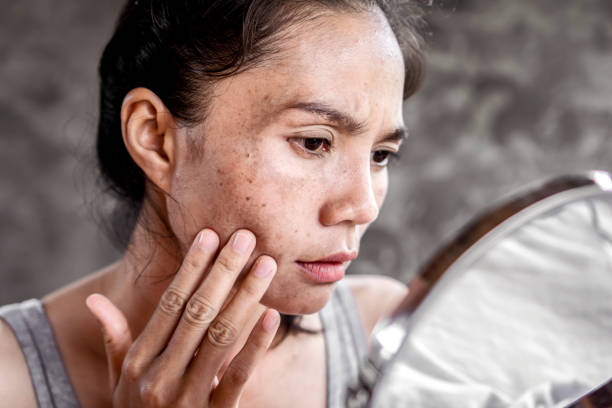
Dark spots on the face, also known as hyperpigmentation, are a common skin concern that many individuals face. These spots are often caused by an excess production of melanin, which can occur due to a variety of reasons such as sun exposure, acne scars, hormonal changes, or skin inflammation. While dark spots are not usually harmful, they can affect your skin's overall appearance and cause self-consciousness. The good news is that there are many ways to reduce and even eliminate dark spots, helping you achieve a more even and radiant complexion. In this article, we will discuss the best methods to get rid of dark spots on the face quickly, including home remedies, skincare products, and professional treatments.
Best Ways to Get Rid of Dark Spots on Face Quickly
1. Use Vitamin C Serums
Vitamin C is one of the most effective and widely used ingredients for brightening the skin and reducing dark spots. It is a powerful antioxidant that helps to inhibit melanin production, which in turn lightens hyperpigmentation. Vitamin C also promotes collagen production, helping to repair damaged skin and improve texture. Look for serums that contain stabilized forms of Vitamin C, such as ascorbic acid, which can penetrate deeply into the skin. Apply the serum daily after cleansing and before moisturizing. Over time, Vitamin C will help fade dark spots and even out your skin tone, giving you a brighter and more youthful appearance.
2. Exfoliate with Alpha Hydroxy Acids (AHAs)
Exfoliating the skin is essential for removing dead skin cells and promoting the growth of new, healthy skin. Alpha Hydroxy Acids (AHAs), such as glycolic acid and lactic acid, are particularly effective in treating dark spots. AHAs work by gently exfoliating the outer layer of the skin, speeding up cell turnover and helping to fade pigmentation. By exfoliating regularly, you can reveal fresher, more even-toned skin. Many skincare products, such as chemical exfoliants and toners, contain AHAs. Use these products two to three times a week to promote smoother, brighter skin and accelerate the fading of dark spots. However, be sure to follow up with sunscreen, as AHAs can make the skin more sensitive to the sun.
3. Incorporate Niacinamide into Your Routine
Niacinamide, also known as Vitamin B3, is a potent ingredient that can significantly reduce the appearance of dark spots. It works by inhibiting the transfer of melanin to the skin’s surface, which helps lighten hyperpigmentation. Niacinamide also has anti-inflammatory properties, which can reduce redness and improve the overall texture of the skin. Many serums and moisturizers contain niacinamide as a key ingredient, and it is suitable for all skin types, including sensitive skin. For best results, use niacinamide daily, and you should start noticing improvements in the color and texture of your skin within a few weeks. Niacinamide is gentle enough for everyday use and can be layered with other brightening ingredients like Vitamin C and retinol.
4. Apply Aloe Vera Gel
Aloe vera is a natural remedy that has been used for centuries to heal and rejuvenate the skin. Aloe vera contains compounds like aloin that have skin-brightening and anti-inflammatory properties. It is especially useful for soothing the skin after sun exposure or acne breakouts, two common causes of dark spots. Aloe vera helps lighten hyperpigmentation by inhibiting melanin production and promoting the healing of skin cells. To use aloe vera, simply apply fresh aloe vera gel directly to the affected areas and leave it on for 20-30 minutes before rinsing off. For maximum effectiveness, apply aloe vera gel twice a day. Over time, it can help fade dark spots and promote a more even skin tone.
5. Use Retinoids (Retinol)
Retinoids, including retinol, are one of the most effective treatments for dark spots, as they speed up cell turnover and stimulate collagen production. By encouraging the skin to shed old, damaged cells, retinol helps to fade hyperpigmentation and reveal a more even complexion. Retinol also helps reduce fine lines and wrinkles, giving your skin a smoother, youthful appearance. Start by incorporating a mild retinol product into your nighttime skincare routine. Begin with a low concentration to avoid irritation and gradually increase the strength as your skin builds tolerance. It is crucial to apply sunscreen during the day when using retinol, as it can make the skin more sensitive to UV rays.
6. Try Licorice Extract
Licorice extract is a natural ingredient that has been shown to effectively lighten dark spots and even out skin tone. The active compound in licorice, known as glabridin, helps to inhibit the enzyme responsible for melanin production, thereby reducing hyperpigmentation. Licorice extract is often found in skin-brightening creams and serums. To use it, apply a product with licorice extract to the affected areas of your face and gently massage it in. It is a gentle yet effective treatment that can be used daily to help reduce the appearance of dark spots. Over time, licorice extract can help restore a brighter, more uniform complexion.
7. Use Sunscreen Daily
One of the most important steps in getting rid of dark spots is to protect your skin from further sun damage. Ultraviolet (UV) rays from the sun can darken existing spots and even create new ones. Applying a broad-spectrum sunscreen with an SPF of 30 or higher every day is essential for preventing dark spots from worsening. Make sure to apply sunscreen every morning, even on cloudy days or when you’re indoors, as UV rays can penetrate windows. Reapply sunscreen every two hours when outdoors, especially if you are sweating or swimming. By consistently using sunscreen, you can protect your skin and prevent the formation of new dark spots, helping your existing spots fade more effectively.
8. Consider Chemical Peels
Chemical peels are a professional treatment that can help accelerate the fading of dark spots by exfoliating the top layers of the skin. During a chemical peel, a solution containing acids like glycolic acid or salicylic acid is applied to the skin to remove damaged skin cells and promote the growth of new, healthy skin. Chemical peels can be particularly effective for stubborn dark spots caused by sun exposure or acne. Depending on the type of peel and the severity of the dark spots, multiple sessions may be needed for optimal results. Chemical peels can be performed by dermatologists or licensed skincare professionals and offer a more immediate solution for achieving a brighter, more even complexion.
Other Ways to Treat Dark Spots on Face
1. Papaya Enzyme Mask – Papaya contains an enzyme called papain that helps exfoliate the skin and fade dark spots. Apply mashed papaya to your face for 15-20 minutes, then rinse off.
2. Turmeric Paste – Turmeric has natural anti-inflammatory and skin-brightening properties. Mix turmeric with yogurt or honey to form a paste, then apply it to the dark spots.
3. Rosehip Oil – Rosehip oil contains essential fatty acids and antioxidants that help improve skin texture and fade dark spots.
4. Green Tea Extract – Green tea has antioxidants that can help reduce pigmentation. Use a green tea extract serum or apply cool green tea bags to the skin.
5. Cucumber Slices – Cucumber contains antioxidants and has soothing properties. Place cucumber slices on the affected areas to reduce dark spots and puffiness.
Things to Consider When Treating Dark Spots
1. Consistency is Essential:
When treating dark spots, consistency is key. Most treatments, including topical products and natural remedies, require regular use over an extended period of time to show significant results. While you may start seeing improvement after a few weeks, it may take several months to completely fade dark spots. Stick to your skincare routine and be patient as you give your skin time to heal and regenerate.
2. Consider the Cause of Your Dark Spots:
Understanding the cause of your dark spots is crucial to choosing the right treatment. For example, if your dark spots are caused by acne scars, retinoids may be more effective than vitamin C. If they are caused by sun damage, using sunscreen and brightening products like licorice extract may help. Knowing the root cause of your dark spots will help you tailor your skincare routine for maximum effectiveness.
3. Avoid Picking at Your Skin:
Picking or squeezing blemishes can make dark spots worse. Acne, in particular, can lead to post-inflammatory hyperpigmentation, which causes dark spots to form after the skin heals. Avoid touching or picking at pimples, and use spot treatments or soothing creams to reduce inflammation. This will help prevent new dark spots from forming and allow your skin to heal more efficiently.
4. Patch Test New Products:
Before incorporating new products into your skincare routine, always perform a patch test. This helps ensure that you do not experience an allergic reaction or irritation. Apply a small amount of the product to a patch of skin on your inner forearm and wait 24 hours to check for any adverse reactions. This simple step can help you avoid discomfort and prevent any further skin damage.
5. Consult a Dermatologist:
If your dark spots persist despite home remedies or over-the-counter treatments, it may be time to consult a dermatologist. A dermatologist can assess your skin’s condition, identify the cause of the dark spots, and recommend more advanced treatments like chemical peels, laser therapy, or prescription-strength creams. Professional treatments may be more effective, especially for stubborn or deep pigmentation.
In Summary
Dark spots on the face are a common concern, but there are many effective ways to get rid of them quickly. Whether you choose to use brightening ingredients like Vitamin C, retinol, or niacinamide, or incorporate natural remedies like aloe vera or turmeric, consistency and patience are key. Exfoliating regularly, wearing sunscreen, and protecting your skin from further damage will also help speed up the fading process. With the right skincare routine and lifestyle changes, you can reduce the appearance of dark spots and enjoy a clearer, more even complexion. If home treatments don’t work, professional options like chemical peels or laser treatments can provide more immediate results.


.jpg)




.webp)