Diabetes is a chronic health condition that affects how your body processes blood sugar (glucose). There are two main types of diabetes: Type 1 diabetes, which is usually diagnosed in childhood and involves the body not producing insulin, and Type 2 diabetes, which is more common and occurs when the body doesn't respond properly to insulin. Managing diabetes effectively is critical for maintaining overall health, preventing complications, and improving quality of life. Many individuals seek natural ways to manage or lower their blood sugar levels at home. While diabetes cannot be "cured" overnight, there are effective strategies you can implement to help control it more effectively. This article will explore various methods on how to get rid of diabetes at home quickly, what additional steps can be taken, things to consider when managing diabetes, and other tips for living a healthier life with this condition.
Best Ways to Get Rid of Diabetes at Home Quickly
1. Exercise Regularly
Physical activity is one of the most effective ways to lower blood sugar levels and improve insulin sensitivity. Regular exercise helps the body use insulin more effectively and can help with weight management, which is crucial for managing Type 2 diabetes. Activities such as walking, cycling, swimming, or resistance training can reduce blood sugar levels significantly. For example, a brisk 30-minute walk can help lower blood glucose levels by improving circulation and insulin sensitivity. Aim to incorporate at least 150 minutes of moderate-intensity exercise into your weekly routine. Consult your healthcare provider before starting any new exercise program to ensure it’s suitable for your current health condition.
2. Follow a Low-Carb Diet
A low-carb diet is one of the most recommended dietary changes for managing diabetes. Carbohydrates have the most direct impact on blood sugar levels, and reducing carb intake can help prevent blood sugar spikes. Instead of refined carbs like white bread, pasta, and sugary snacks, opt for whole grains, vegetables, lean proteins, and healthy fats. For instance, replacing simple carbs with foods like quinoa, beans, and non-starchy vegetables can help maintain more stable blood sugar levels throughout the day. Monitoring portion sizes is also essential in preventing overconsumption of carbs. A balanced, low-carb diet can significantly improve blood glucose control and support weight loss, which in turn can help reverse or manage Type 2 diabetes.
3. Consume More Fiber
Dietary fiber, particularly soluble fiber, plays an essential role in controlling blood sugar levels. Foods that are high in fiber, such as whole grains, vegetables, legumes, and fruits like berries and apples, can slow the absorption of sugar into the bloodstream, leading to more stable blood sugar levels. Fiber also helps with digestion, reducing constipation, and promotes feelings of fullness, which can aid in weight management. For example, a diet high in fiber-rich foods can help lower A1C levels, a marker used to assess long-term blood sugar control. A high-fiber diet can be an effective natural approach to controlling and potentially reversing Type 2 diabetes when combined with other lifestyle changes.
4. Increase Water Intake
Drinking plenty of water is crucial for overall health, but it’s particularly important when managing diabetes. Staying hydrated helps the kidneys flush out excess sugar through urine, reducing blood sugar levels. Furthermore, dehydration can lead to elevated blood sugar levels, which can make diabetes harder to manage. Try to drink at least eight 8-ounce glasses of water a day, or more if you are active or in a hot climate. Adding lemon to your water can provide extra antioxidants and vitamins, further supporting your health. Avoid sugary beverages such as sodas, which can cause rapid spikes in blood sugar levels.
5. Control Stress Levels
Chronic stress can increase blood sugar levels by triggering the release of stress hormones like cortisol and adrenaline. These hormones can interfere with insulin production and make blood sugar management more difficult. Practicing stress-reducing activities such as yoga, meditation, deep breathing exercises, or engaging in hobbies can help lower stress levels and, in turn, improve blood sugar control. For example, spending 10-15 minutes daily meditating can help calm the mind and regulate cortisol production. Regularly engaging in stress-reducing activities will also improve your emotional well-being, which is essential for overall diabetes management.
6. Try Apple Cider Vinegar
Apple cider vinegar (ACV) is a popular home remedy that has shown potential in helping regulate blood sugar levels. Research suggests that ACV can improve insulin sensitivity, especially when consumed before meals. ACV may also help lower blood sugar after meals by slowing the digestion of carbohydrates. To use apple cider vinegar, mix one to two tablespoons with water and drink it before meals, but avoid undiluted vinegar as it may irritate the stomach. While it’s not a substitute for diabetes medication, ACV can be a useful addition to a healthy diet and lifestyle. However, you should consult with a healthcare provider before starting any new supplement or remedy.
7. Get Enough Sleep
Sleep plays a critical role in blood sugar regulation. Inadequate sleep can disrupt the body’s ability to regulate blood glucose levels and negatively impact insulin sensitivity. Aim for 7-9 hours of quality sleep each night to help manage diabetes effectively. Poor sleep can also increase the likelihood of overeating or making unhealthy food choices, which can spike blood sugar levels. If you struggle with sleep, consider adopting a bedtime routine that includes limiting screen time, keeping your room dark and quiet, and avoiding caffeine in the evening. Good sleep hygiene can lead to improved energy levels, better mood, and more stable blood sugar.
8. Monitor Your Blood Sugar Regularly
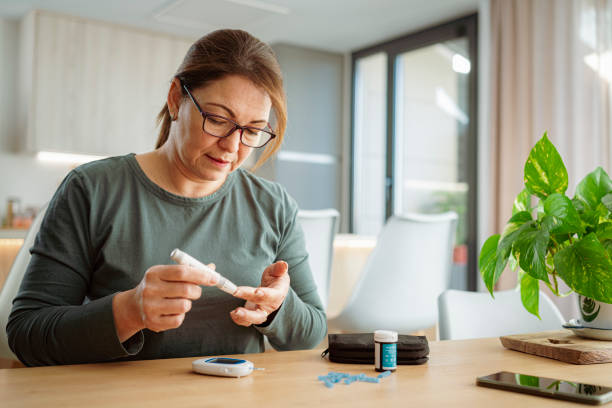
Keeping track of your blood sugar levels is essential for managing diabetes, whether at home or with medical supervision. By regularly checking your blood glucose, you can better understand how your body responds to various foods, exercise, and medications. This information helps you make informed decisions about your diet and lifestyle, allowing for better control of your blood sugar. Use a home glucose meter to check your blood sugar levels multiple times throughout the day, particularly before and after meals. If you notice significant fluctuations, consult your healthcare provider to make adjustments to your management plan.
Other Ways to Help Get Rid of Diabetes at Home Quickly
1. Herbal Supplements – Herbs such as bitter melon, fenugreek, and cinnamon may support blood sugar regulation.
2. Avoid Smoking – Smoking increases the risk of complications related to diabetes, including cardiovascular issues.
3. Increase Magnesium Intake – Magnesium has been shown to help improve insulin sensitivity and blood sugar control.
4. Add Omega-3 Fatty Acids to Your Diet – Omega-3s can improve heart health and help manage diabetes symptoms.
5. Incorporate Intermittent Fasting – Intermittent fasting may help reduce insulin resistance and control blood sugar levels.
Things to Consider When Trying to Get Rid of Diabetes Quickly
1. Consult a Healthcare Provider for Medication Adjustment:
While lifestyle changes can significantly impact diabetes management, it is important to consult with your healthcare provider before making changes to your medication regimen. Certain changes, like drastically reducing carbohydrate intake or beginning an exercise program, may require adjustments in your medication, especially for insulin-dependent individuals. Never stop or alter medications without professional guidance, as sudden changes could cause severe health complications.
2. Track and Monitor Progress Over Time:
Getting rid of or managing diabetes effectively requires patience and continuous monitoring. It’s essential to track your blood sugar levels regularly, along with other markers such as A1C and weight, to assess your progress. Keep a journal of what foods you eat, your physical activity, and any symptoms or changes you experience. This information will help you and your healthcare provider make informed decisions about your treatment plan. Over time, lifestyle changes can significantly improve blood sugar control and may reduce the need for medication.
3. Long-Term Commitment to Healthy Habits:
To manage diabetes effectively and reduce its impact on your life, it’s vital to adopt healthy habits as a long-term commitment. This means continuing to follow a healthy diet, engaging in regular physical activity, and managing stress levels even after your blood sugar levels stabilize. Diabetes is a lifelong condition, and while its symptoms can be managed or controlled, there is no quick “cure.” Ongoing lifestyle changes will help you maintain your health and prevent complications, ultimately improving your quality of life.
4. Be Aware of Potential Complications:
Diabetes, especially if not well-managed, can lead to serious complications over time, including nerve damage, kidney disease, heart disease, and vision problems. Keeping your blood sugar within a normal range is crucial to preventing these complications. It’s important to follow up with your healthcare provider regularly and undergo routine screenings to monitor for potential issues. Managing your blood sugar through a healthy lifestyle and medical supervision is the most effective way to prevent these long-term complications.
5. Support System and Education:
Living with diabetes can be challenging, but having a support system and staying educated about your condition can make a big difference in how you manage it. Consider joining support groups, either in person or online, to connect with others going through similar experiences. Additionally, take the time to educate yourself about diabetes, including its causes, risk factors, and management strategies. Being informed will empower you to make better decisions and take charge of your health.
In Summary
While there is no quick and complete cure for diabetes, managing the condition effectively at home is entirely possible. By making informed changes to your diet, exercise routine, and lifestyle, you can significantly reduce blood sugar levels and improve insulin sensitivity. Regular exercise, a low-carb diet, increased water intake, and proper stress management can all play a key role in controlling diabetes symptoms. It’s important to monitor your blood sugar levels regularly and consult with a healthcare provider to ensure proper treatment. With commitment, patience, and the right strategies, you can manage diabetes more effectively and improve your overall health.



.jpg)
.webp)




.jpg)