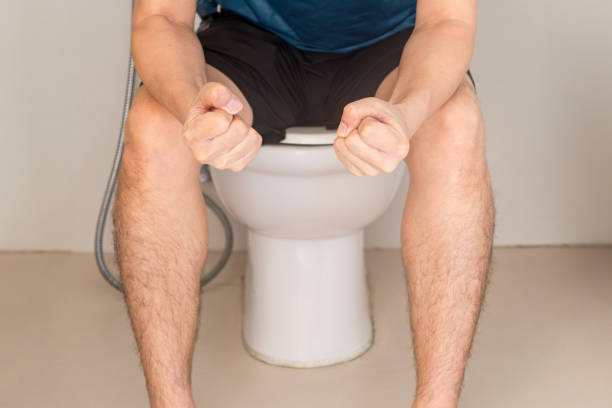
Diarrhea is a common digestive issue that results in frequent, loose, and watery stools. It can be caused by various factors, including viral infections, food intolerances, bacterial infections, stress, or even underlying health conditions. While diarrhea is usually a temporary problem, it can lead to dehydration and discomfort if not managed properly. Fortunately, several home remedies and strategies can help alleviate symptoms quickly and effectively. In this article, we will explore ways to get rid of diarrhea at home quickly, offer natural treatments, discuss things to consider during recovery, and provide practical advice for preventing future episodes.
Best Ways to Get Rid of Diarrhea at Home Quickly
1. Stay Hydrated
The most important thing to focus on when dealing with diarrhea is hydration. Diarrhea causes the body to lose fluids and electrolytes quickly, which can lead to dehydration. Drinking plenty of water is essential to replenish these lost fluids. To make your rehydration more effective, consider drinking oral rehydration solutions (ORS) or electrolyte-enriched drinks like coconut water or sports drinks. For example, sipping on a homemade rehydration solution made from water, sugar, and salt can help replace electrolytes lost during diarrhea. Avoid caffeinated or alcoholic beverages as they can worsen dehydration.
2. Follow the BRAT Diet
The BRAT diet is a well-known recommendation for those suffering from diarrhea. BRAT stands for bananas, rice, applesauce, and toast, all of which are easy-to-digest foods that can help firm up stools. These foods are low in fiber, which helps to minimize irritation in the digestive tract and reduce the frequency of diarrhea. For instance, eating plain white rice or a slice of toast can provide your body with the simple carbohydrates it needs without overloading your digestive system. While the BRAT diet is beneficial in the short term, it's important to gradually reintroduce other foods once symptoms subside to prevent nutrient deficiencies.
3. Eat Probiotic-Rich Foods
Probiotics are beneficial bacteria that can help restore the natural balance of gut flora, which is often disrupted during diarrhea. Consuming probiotic-rich foods such as yogurt, kefir, sauerkraut, or kimchi can help promote gut health and speed up recovery. Probiotics can also help prevent diarrhea caused by antibiotics, a common side effect of antibiotic treatment. For example, eating a cup of plain yogurt with live cultures can introduce good bacteria into your digestive system, promoting regular bowel movements and improving digestion. Alternatively, probiotic supplements may also be helpful in replenishing gut bacteria.
4. Use Over-the-Counter Medications
There are several over-the-counter medications available that can help reduce the frequency of diarrhea and provide relief from symptoms. Loperamide (Imodium) is one such medication that works by slowing down the movement of the intestines and allowing the body to absorb more fluids. Another option is bismuth subsalicylate (Pepto-Bismol), which helps reduce inflammation in the digestive tract and control diarrhea. However, these medications should not be used for long periods, especially if the diarrhea is caused by an infection, as they may hinder the body's ability to expel harmful bacteria or toxins. Always follow the dosage instructions and consult with a healthcare provider if you have any concerns.
5. Avoid Dairy Products
Dairy products can exacerbate diarrhea, especially if you have a sensitivity or lactose intolerance. When suffering from diarrhea, it's best to avoid milk, cheese, ice cream, and other dairy products until your symptoms improve. This is because lactose, the sugar found in milk, can be difficult to digest during digestive distress and may worsen diarrhea. For example, drinking milk while experiencing diarrhea can lead to increased cramping and gas. Consider replacing dairy with non-dairy alternatives such as almond milk or coconut yogurt until your digestive system has fully recovered.
6. Drink Herbal Teas
Certain herbal teas can be soothing to the digestive system and can help alleviate diarrhea symptoms. Ginger tea is one such option, as ginger has anti-inflammatory and anti-nausea properties that can soothe the stomach and reduce digestive discomfort. Chamomile tea is another great choice due to its calming effects on the gastrointestinal tract. For example, sipping a warm cup of ginger tea can help reduce nausea and bloating while providing relief from diarrhea. Be sure to drink these teas without added sugar, as excessive sugar can worsen diarrhea.
7. Consume Clear Broths and Soups
Clear broths, such as chicken or vegetable broth, can help provide hydration and nutrition without aggravating the digestive system. They are gentle on the stomach and help restore lost electrolytes. For example, sipping on a warm bowl of chicken broth not only rehydrates the body but also provides essential minerals and vitamins that help support recovery. Avoid fatty or creamy soups, as they can be harder to digest and may worsen diarrhea. Broth-based soups that contain vegetables or lean meats can also provide a light source of nutrition during recovery.
8. Rest and Avoid Stress
Resting is an essential component of recovering from diarrhea. Stress and anxiety can worsen gastrointestinal issues, so taking time to relax and focus on rest can help speed up the healing process. During the recovery period, avoid strenuous physical activity and give your body the time it needs to rest and repair. Practicing relaxation techniques such as deep breathing, meditation, or gentle yoga can also help reduce stress levels and support digestive recovery. Ensuring that you are well-rested will allow your immune system to function more effectively, helping to fight off the underlying cause of diarrhea.
Other Ways to Help Get Rid of Diarrhea Quickly
1. Eat Small, Frequent Meals: Consuming smaller, more frequent meals can be easier on your digestive system and reduce the likelihood of triggering further diarrhea.
2. Avoid Spicy and Fatty Foods: Spicy and fatty foods can irritate the digestive tract and should be avoided during diarrhea recovery.
3. Apple Cider Vinegar: Some people find that consuming a tablespoon of apple cider vinegar mixed with water can help soothe the stomach and improve digestion.
4. Activated Charcoal: Activated charcoal is thought to absorb toxins in the digestive tract and may help reduce symptoms of diarrhea caused by food poisoning or infections.
5. Avoid Caffeine: Caffeine can stimulate the digestive system and may worsen diarrhea, so it’s best to avoid coffee, energy drinks, or caffeinated sodas during an episode.
Things to Consider When Trying to Get Rid of Diarrhea Quickly
1. Identify the Underlying Cause of Diarrhea:
Before treating diarrhea, it’s important to consider the potential cause. Diarrhea can be caused by viral infections (like norovirus or rotavirus), bacterial infections (such as E. coli or salmonella), food poisoning, or other digestive disorders. If diarrhea is caused by a bacterial infection, antibiotics may be necessary, and self-treatment at home may not be sufficient. If your symptoms persist for more than 48 hours, or if you experience severe dehydration, fever, or blood in the stool, it's important to consult a healthcare provider for a proper diagnosis and treatment plan.
2. Monitor for Signs of Dehydration:
Dehydration is a serious risk with diarrhea, especially if you are unable to keep fluids down. Symptoms of dehydration include dry mouth, excessive thirst, dizziness, dark-colored urine, or a reduced urine output. If you notice any of these signs, it's important to seek medical attention immediately. Severe dehydration can lead to further complications such as kidney damage, so it’s crucial to focus on rehydrating and restoring electrolytes during an episode of diarrhea.
3. Avoid Certain Foods During Recovery:
Certain foods can irritate the digestive system and worsen diarrhea, including high-fat foods, dairy, alcohol, and sugary foods. These should be avoided until you have fully recovered. Stick to bland and easily digestible foods, such as those recommended in the BRAT diet, until your symptoms subside. Reintroduce fiber-rich foods, like fruits, vegetables, and whole grains, gradually to avoid further irritation. Understanding what foods to avoid and when to reintroduce other foods will help you recover more quickly.
4. Rest and Allow Your Body to Heal:
While you may be tempted to continue with your daily routine, rest is crucial when you have diarrhea. Your body needs time to recover and heal from the underlying cause. Try to stay home from work or school to avoid spreading an infection and allow your body to rest. Get plenty of sleep, drink fluids, and avoid unnecessary physical exertion. Rest is one of the most effective ways to support your immune system during the recovery process.
5. Be Cautious with Children and the Elderly:
Diarrhea can be particularly dangerous for young children and older adults, who are at higher risk for dehydration and complications. If a child or elderly person experiences diarrhea, monitor their hydration closely and seek medical attention if symptoms do not improve within 24-48 hours. In some cases, diarrhea can lead to severe dehydration in these groups, which may require medical intervention.
In Summary
While diarrhea is often a temporary condition, it can be uncomfortable and potentially dangerous if left untreated. By staying hydrated, following the BRAT diet, using over-the-counter medications, and avoiding certain foods, you can effectively manage and get rid of diarrhea at home quickly. Additionally, using probiotics, herbal teas, and clear broths can further help in speeding up recovery. Remember to rest and monitor your symptoms closely, as dehydration and underlying health issues can complicate the situation. If symptoms persist or worsen, it's important to consult with a healthcare provider. By following these steps, you can alleviate diarrhea symptoms and recover faster, while also preventing future episodes from occurring.





.jpg)