

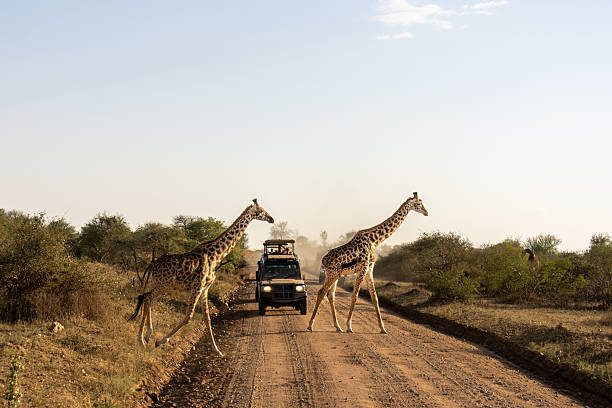
The best month for a safari in Tanzania is usually during the dry season from June to October because animals gather around water sources. During these months, the grass is short which allows you to spot predators like lions and leopards much faster in the plains. You will enjoy clear blue skies and very little rain, making your travel between the national parks smooth and comfortable.
Planning your trip around the weather ensures you see the most wildlife and enjoy the best photography conditions. Tanzania offers different experiences throughout the year depending on whether you want to see the migration or the new baby animals.
These are the Best Months for a Safari in Tanzania
Tanzania has a diverse climate that changes the behavior of the wildlife and the look of the landscape every month. Choosing the right time depends on your personal interests, such as seeing the Great Migration or enjoying a quiet trip with fewer tourists around. Here is a detailed look at the top months for your African adventure.
1. June
June marks the official beginning of the long dry season and is widely regarded as a perfect time to witness the start of the Great Migration in the Western Corridor. The weather is cool and pleasant during the day, which makes long game drives across the Serengeti plains much more comfortable for every visitor. As the rain disappears, the bush begins to thin out, allowing you to spot animals hiding in the golden grass much more easily than in the wet months. Many experts suggest this month because the large crowds of the peak summer season have not yet arrived at the major park gates. It is a top choice for those who want clear skies and beautiful photography opportunities without the high prices of the later peak months.
2. July
July is often considered the best month for a safari in Tanzania if you want to see the dramatic river crossings in the northern Serengeti. This is the peak of the dry season, and millions of wildebeest start brave the crocodile-filled waters of the Mara River to find fresh grass. The weather is very stable and sunny every day, which means you can plan your daily activities without worrying about rain ruining your plans. Because it is very dry, animals gather in huge numbers around the remaining waterholes in the Ngorongoro Crater and Tarangire National Park. You will see many elephants and buffaloes moving together in large herds, providing some of the most impressive wildlife sights in Africa. It is a very busy month, so you should book your favorite lodges and camps well in advance to ensure you get a spot.
3. August
August continues the peak dry season and offers some of the most reliable wildlife viewing in the southern circuit parks like Ruaha and Nyerere. The temperature is warm but not too hot, and the lack of water in the bush forces almost every animal to visit the permanent rivers. You can enjoy boat safaris in the Selous where you will see hundreds of hippos and crocodiles resting along the river banks in the afternoon sun. The visibility in the Serengeti remains excellent as the grass becomes very short and the dust starts to settle in the air. This is a great time for family trips because the weather is predictable and the schools are on holiday in many parts of the world. You will find that the big cats are very active during this time as they take advantage of the many prey animals gathered near the water.
4. September
September is a wonderful month because the landscape is very dry, making it the easiest time to find rare animals like the African wild dog. The Great Migration is usually still in the northern Serengeti, and the river crossings continue to provide exciting action for wildlife photographers. You will notice that the crowds start to decrease slightly compared to July and August, giving you a more private experience in the bush. The skies are very clear and the light is perfect for capturing the deep colors of the African sunset every evening. Many people choose this month to visit the Tarangire National Park because the elephant numbers are at their highest near the Tarangire River. It is a month that offers a great balance of excellent wildlife viewing and a slightly quieter atmosphere in the popular lodges.
5. October
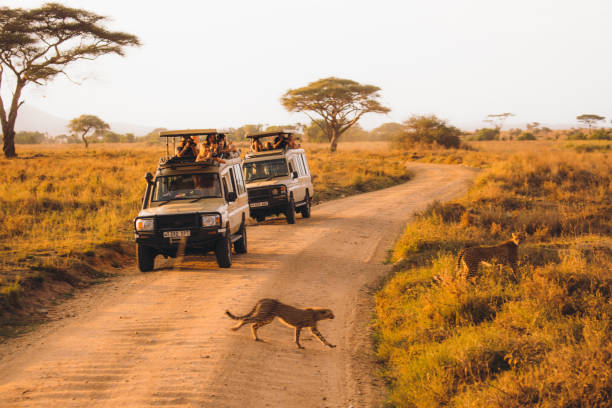
October is the last month of the long dry season and is often the hottest time before the short rains begin to fall. The animals are very concentrated around the last few water sources, which makes finding the Big Five very fast and easy for your guide. You can see many predators waiting near the waterholes, leading to some of the most exciting hunting scenes you will ever witness. The northern parks remain very active, and the southern parks offer some of the most rugged and wild experiences of the year. This is the best month for a safari in Tanzania if you do not mind the heat and want to see nature at its most intense and raw. The landscape can look very dusty, but this adds a unique and dramatic feel to your photos of the vast plains.
6. January
January falls during the short dry season and is the best time to see the lush green scenery after the November rains have finished. The Serengeti is full of fresh grass, and the Great Migration moves to the southern plains of Ndutu for the calving season. You will see thousands of baby wildebeest being born every day, which attracts many hungry lions, cheetahs, and hyenas to the area. The weather is generally hot and humid, but the short afternoon showers help to cool the air and keep the dust away from your camera. This is a fantastic month for bird watching because many migratory birds from Europe and Asia are present in the national parks. It is a very beautiful time to visit because the flowers are in bloom and the parks look very vibrant and full of new life.
7. February
February is the peak of the calving season in the southern Serengeti and offers some of the best predator action you can find anywhere. Because there are so many young and vulnerable animals, the big cats are out in the open and hunt frequently during the day. The weather is very warm and the grass in the Ndutu area is short enough to allow for excellent viewing of the cheetahs running. You will find that the parks are less crowded than in the summer months, providing a more intimate connection with the natural world. This is a very popular month for professional photographers who want to capture the circle of life in high definition. The clear morning light and the green background make for some of the most stunning wildlife portraits you will ever take in your life.
8. December
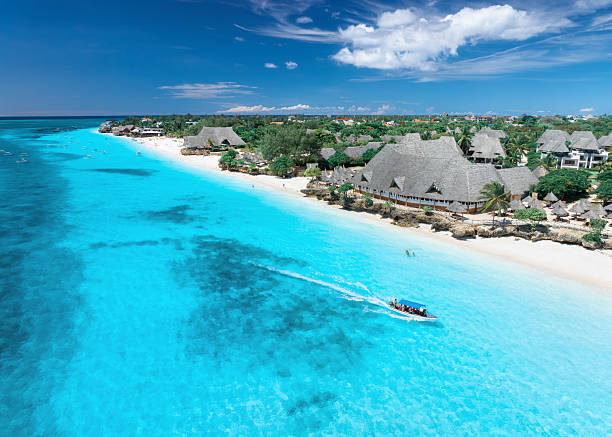
December is a festive month that offers a great mix of wildlife viewing and beautiful green landscapes across the whole country. The short rains have usually finished, leaving the parks looking fresh and full of life for the many holiday visitors. You can enjoy a unique Christmas or New Year's Eve in a luxury lodge while listening to the sounds of the African bush. The migration is moving south through the central Serengeti, so you can see large herds of animals as they travel to the calving grounds. Many people combine their safari with a trip to the beaches of Zanzibar to enjoy the warm tropical weather and the blue ocean. It is a very happy and social time to be in Tanzania, with many special events and dinners organized by the local hotels.
9. March
March is the beginning of the transition into the long rainy season, but it still offers many good days for wildlife viewing at lower prices. The parks are very quiet and you will often have the viewing spots all to yourself without any other vehicles around. The vegetation is at its most lush and green, which creates a very beautiful and soft backdrop for your animal photos. You can find many great deals on luxury lodges as they lower their rates before the heavy rains start in April. The air is very clean and the visibility is great for seeing the distant mountains like Kilimanjaro and Meru clearly. It is a good choice for budget-conscious travelers who want a high-quality experience without the peak season costs. You should be prepared for some rain, but it usually falls in short and heavy bursts in the late afternoon.
10. November
November is the month of the short rains, which brings a welcome relief from the long heat of the dry season to the land. The first rains trigger the migration to start moving back from the north toward the southern Serengeti plains very quickly. You will see the grass turning green almost overnight, and the birds begin their colorful breeding displays across the parks. The prices are much lower during this month, and you can stay in some of the most expensive lodges for a fraction of the cost. It is a very dramatic time for photography as the big storm clouds create amazing light and dark shadows over the plains. While there is some rain, it rarely lasts all day and most game drives can proceed as planned without any major problems. Many experienced safari fans love this month for the unique colors and the sense of change in the wild.
| Month | Season Type | Wildlife Activity | Crowd Level | Best For |
|---|---|---|---|---|
| June | Dry | High | Medium | Migration Start |
| July | Dry | Very High | Very High | River Crossings |
| August | Dry | Very High | High | General Wildlife |
| September | Dry | High | Medium | Southern Circuit |
| October | Dry | High | Medium | Predator Sightings |
| November | Short Rains | Medium | Low | Birding & Value |
| December | Green | Medium | High | Festive Season |
| January | Dry (Short) | High | Medium | Calving Season |
| February | Dry (Short) | High | Medium | Big Cat Action |
| March | Transition | Medium | Low | Lush Landscapes |
Tanzania is a massive country, so the weather can be slightly different depending on whether you are in the north or the south. The northern parks like the Serengeti and Ngorongoro are the most famous and stay active with wildlife throughout the entire year. The southern parks like Ruaha and Selous are much more affected by the seasons and are best visited during the peak dry months. If you want a guaranteed wildlife experience, the dry season is always the safest bet for any first-time visitor. However, the green season offers a unique beauty and better prices for those who have visited the country before. Always check the specific movement of the migration before you book your trip as nature can be unpredictable.
Most travelers spend about seven to ten days on safari to see a variety of parks and different types of animals. The best month for a safari in Tanzania often depends on your specific holiday dates and your personal budget for the trip. You can find a high-quality experience in almost any month if you choose the right park and the right lodge for your stay. Many local tour operators are experts at adjusting your itinerary to make sure you see the most animals regardless of the weather. It is always a good idea to bring a mix of light and warm clothes as the mornings in the bush can be very cold. No matter when you choose to go, the magic of the African wild will stay with you for a very long time.
- June to October: This is the best time for general wildlife viewing across all national parks in the country.
- July and August: These are the peak months for witnessing the wildebeest river crossings in the northern Serengeti.
- January and February: This is the prime time for seeing the calving season and many predators in the southern Serengeti.
- November and March: These are excellent months for budget travelers who want to enjoy high-quality lodges at lower rates.
- April and May: These months have the heaviest rains, and some remote camps may close due to the wet conditions.
- Year-Round: The Ngorongoro Crater offers incredible wildlife viewing in every single month of the year without fail.
Monthly Temperature and Rainfall Estimates
The temperatures in Tanzania are generally warm, but they can drop significantly at night, especially in high-altitude areas like the Ngorongoro rim. Understanding the weather patterns will help you pack the right gear for your daily adventures in the wild. Most days start with a cool morning drive followed by a hot afternoon under the tropical sun. Here is a small guide to the average conditions you can expect during your visit.
| Month Group | Day Temp (°C) | Night Temp (°C) | Rainfall Level |
|---|---|---|---|
| June - August | 25 - 27 | 12 - 15 | Very Low |
| September - October | 28 - 30 | 15 - 18 | Low |
| November - December | 27 - 29 | 17 - 19 | Moderate |
| January - February | 28 - 31 | 17 - 19 | Low to Moderate |
| March - May | 26 - 28 | 18 - 20 | High |
When planning your trip, remember that the "long rains" usually happen from late March through May. During this time, some roads can become very muddy, and some of the smaller bush camps in the southern parks close for maintenance. However, the large lodges in the northern circuit stay open and offer very quiet and beautiful experiences for the few guests who visit. You will see the landscape at its most green and lush, which is a wonderful sight for those who love nature. The animals are still there, but they may be harder to find in the tall grass and thick bushes. If you choose this time, you should use a very experienced guide who knows how to drive in wet conditions safely.
The "short rains" in November and early December are much lighter and usually do not interfere with your daily safari activities at all. They often fall as a single heavy shower in the late afternoon, leaving the rest of the day bright and sunny for your game drives. This rain is very important as it brings fresh grass and water, which encourages the animals to start moving toward the southern plains. You will find that the air is very clear of dust, which makes your photos of the animals and the landscape look very sharp and colorful. Many experienced travelers think this is a secret time to visit because the parks are beautiful and the prices are very good. It is a great way to avoid the massive crowds of the peak dry season.
Most of the best month for a safari in Tanzania lists prioritize the dry season because it is the most reliable for seeing the Big Five. Lions, leopards, elephants, buffaloes, and rhinos are much more active and easier to track when the vegetation is thin. You can spend many hours at a single waterhole and see a parade of different animals coming to drink throughout the day. This provides a very relaxed and exciting way to enjoy your safari without doing too much driving across long distances. Always listen to the advice of your local guide as they have the latest information on where the animals are hiding. Their knowledge of the local seasons and animal habits is the key to a successful and happy trip.
Other Good Months for Tanzanian Safari Expeditions
1. April for low cost adventures: This month is the peak of the long rains, but it offers the most affordable prices for luxury travelers who want to save money. You can enjoy the best month for a safari in Tanzania if you prefer total privacy and very green, lush landscapes for your photos. Many top-end lodges reduce their rates by half, making it a great time for a budget-friendly but high-quality trip.
2. May for bird watching: The rain starts to slow down in May, leaving the parks full of water and vibrant flowers that attract thousands of rare birds. It is a peaceful time to visit as most tourists stay away, giving you the whole wilderness to yourself and your guide. You will see the landscape at its most beautiful and full of life before the dry season turns the grass brown.
3. November for short rain photography: The light after a short afternoon shower in November is some of the best you will ever find for taking wildlife pictures. The dust is gone from the air, and the dramatic clouds provide a very impressive background for your portraits of lions and elephants. It is also a great time to see the migration moving south toward the calving grounds in the Serengeti.
4. March for mountain viewing: The air is very clean in March, which allows for some of the best views of Mount Kilimanjaro and Mount Meru from the parks. You can enjoy a quiet safari before the heavy rains start and find very good deals on many of the luxury lodges. It is a wonderful month for those who love both high mountains and the wide-open plains of the African bush.
5. Early June for green dry season: If you visit in the first half of June, you get the benefits of the dry weather while the parks are still very green and lush. The animals are starting to gather around the water, but the landscape has not yet turned dusty and brown from the long heat. It is a perfect time for travelers who want the best of both worlds in terms of weather and scenery.
6. Late October for river action: This is a great time to see the final river crossings in the north as the herds prepare to move south for the coming rains. The weather is very dry, which makes the animals desperate for water and very easy to find near the major river banks. It is one of the most exciting times for seeing predators as they wait for the herds to come and drink.
Conclusion
Choosing the best month for a safari in Tanzania will ensure that you have the most amazing wildlife experience of your whole life. Whether you want to see the Great Migration in July or the new baby calves in February, there is a perfect time for everyone. The country offers a unique beauty in every season, from the golden dry plains to the lush green forests after the rains. Make sure to consider your personal budget and your interest in specific animals when you book your trip to East Africa. A planned safari in the right month will provide you with memories and photos that you will cherish for many years.

.webp)






.webp)


.webp)
.webp)