

.webp)
Tanzania's abundant natural beauty, diverse ecosystems, and rich cultural heritage make it a prime destination for eco-tourism. From the vast plains of the Serengeti to the pristine beaches of Zanzibar, the country offers a wealth of opportunities for travelers to experience the wonders of nature while contributing to the conservation of wildlife and the well-being of local communities. Let's delve into the world of Tanzanian eco-tourism and explore how sustainable travel practices are helping to sustain both nature and communities.
Conservation Initiatives
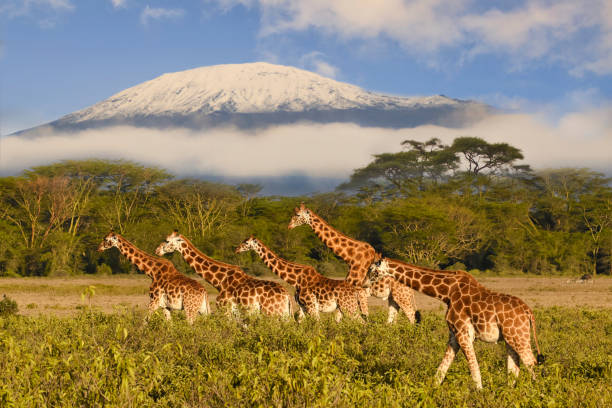
Overview: Tanzania is home to some of Africa's most iconic wildlife species, including lions, elephants, and giraffes. Conservation efforts play a crucial role in protecting these animals and their habitats.
Initiatives: Numerous organizations and national parks across Tanzania are dedicated to conservation efforts. The Serengeti Conservation Project, for example, focuses on preserving the Serengeti ecosystem and its resident wildlife through anti-poaching patrols, habitat restoration, and community education programs. Similarly, the work of the Tanzania National Parks Authority (TANAPA) aims to protect and manage the country's national parks for the benefit of both wildlife and visitors.
Community-Based Tourism
Overview: Community-based tourism initiatives empower local communities to actively participate in and benefit from tourism activities while preserving their cultural heritage and natural resources.
Initiatives: In many rural areas of Tanzania, community-based tourism projects have been established to provide sustainable livelihoods for local residents. These initiatives often involve activities such as guided nature walks, cultural performances, and homestay experiences, allowing visitors to engage directly with community members and learn about their way of life. By supporting these initiatives, travelers can contribute directly to the economic development of local communities and gain a deeper understanding of Tanzanian culture and traditions.
Responsible Wildlife Viewing
Overview: Tanzania's national parks and game reserves offer unparalleled opportunities for wildlife viewing, but it's essential to do so responsibly to minimize disturbance to animals and their habitats.
Practices: Responsible wildlife viewing practices include staying on designated trails, maintaining a safe distance from animals, and adhering to park regulations regarding vehicle speeds and noise levels. Additionally, choosing ethical safari operators and guides who prioritize animal welfare and environmental conservation is key to ensuring a positive wildlife viewing experience.
Sustainable Accommodation
Overview: Eco-friendly lodges and camps are becoming increasingly popular options for travelers seeking sustainable accommodation options in Tanzania.
Features: Many eco-lodges and camps in Tanzania are designed with environmentally friendly principles in mind, incorporating renewable energy sources, water conservation measures, and waste management systems. These establishments often work closely with local communities to minimize their ecological footprint and support community development initiatives.
Conclusion
Tanzanian eco-tourism offers travelers the opportunity to explore the country's natural wonders while contributing to conservation efforts and supporting local communities. By engaging in responsible wildlife viewing, choosing sustainable accommodation options, and participating in community-based tourism initiatives, travelers can enjoy meaningful and enriching experiences while helping to protect Tanzania's biodiversity and cultural heritage for future generations. In doing so, eco-conscious travelers can play a vital role in sustaining both nature and communities in Tanzania.


.webp)








.webp)
.webp)