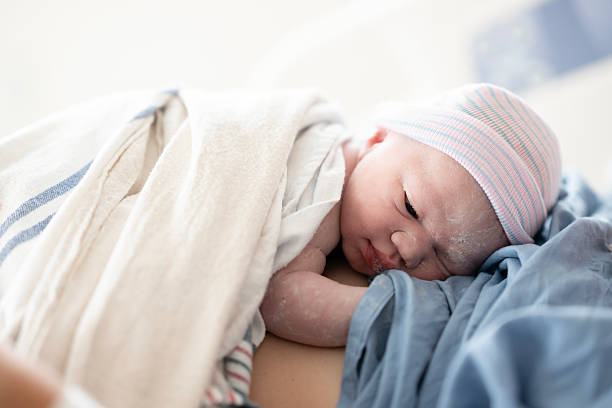
Cradle cap is a common skin condition that affects infants, characterized by scaly, flaky patches on the scalp. It can sometimes appear on other areas such as the eyebrows, eyelids, or behind the ears. Although cradle cap may look concerning, it is generally harmless, non-contagious, and not a result of poor hygiene. The condition often resolves on its own over time, but many parents seek ways to speed up the healing process. Knowing how to get rid of cradle cap effectively can help reduce discomfort for your baby and keep their skin soft and healthy. This article will explore various home remedies and treatment options to alleviate cradle cap and prevent its recurrence.
Best Ways to Get Rid of Cradle Cap
1. Gentle Scalp Massage with Oil
Massaging the baby’s scalp with natural oils like coconut oil, olive oil, or almond oil can help loosen the scales and soften the affected area. Oils moisturize the scalp and reduce the buildup of crusty flakes. Apply a small amount of oil directly to the scalp, gently massaging it with your fingers in circular motions. Let the oil sit for at least 15 to 30 minutes to allow the flakes to soften. Afterward, use a soft baby brush or comb to gently remove the loosened flakes. Coconut oil, known for its antifungal and antibacterial properties, is especially beneficial in preventing infections and nourishing the baby’s skin.
2. Use a Mild Baby Shampoo
Regularly washing your baby's hair with a mild, fragrance-free baby shampoo can help reduce the buildup of oil and dead skin cells that contribute to cradle cap. Choose a gentle shampoo specifically formulated for babies, as harsh shampoos can dry out the scalp and worsen the condition. Wet the baby's hair with warm water and apply a small amount of shampoo, massaging it gently into the scalp. Leave the shampoo on for a minute before rinsing thoroughly. Repeat this process two to three times per week, as frequent washing can prevent the recurrence of cradle cap. Using shampoos containing natural ingredients like chamomile or aloe vera can also soothe inflammation and provide additional hydration.
3. Brush Away Flakes with a Soft Brush
After applying oil or shampoo, use a soft-bristle baby brush to gently comb through the baby's hair and remove loosened flakes. Brushing helps lift the dead skin without irritating the scalp. Always use light strokes to avoid scratching or damaging the delicate skin. Special cradle cap brushes are available, designed to be soft and gentle, reducing the risk of scalp irritation. Brushing should be part of the baby’s regular grooming routine, even after the cradle cap has cleared, to prevent the buildup of dry skin and keep the scalp healthy.
4. Hydrate the Skin
Keeping the baby’s skin hydrated is essential in preventing cradle cap from becoming severe. After bathing, apply a hypoallergenic, fragrance-free baby lotion or moisturizer to the scalp and any affected areas. Moisturizing the scalp helps reduce dryness, flakiness, and irritation. Products containing shea butter or calendula are particularly soothing and effective. Avoid lotions with harsh chemicals or perfumes, as they can cause further irritation. Consistent hydration helps maintain a healthy skin barrier, reducing the likelihood of cradle cap returning.
5. Apply Breast Milk
Breast milk is known for its healing and soothing properties. It contains antibodies and natural oils that help moisturize and protect the baby’s skin. Apply a few drops of breast milk directly to the affected areas and gently massage it into the scalp. Let it air dry naturally. This method is gentle, safe, and free from chemicals, making it ideal for newborns and infants with sensitive skin. Repeating this process twice a day can significantly reduce the severity of cradle cap over time.
6. Use Petroleum Jelly
Petroleum jelly acts as an effective barrier and moisturizer, preventing dryness and helping loosen cradle cap flakes. Apply a thin layer of petroleum jelly to the baby’s scalp before bedtime and leave it on overnight. In the morning, use a soft brush to gently remove the softened flakes. Petroleum jelly is safe for babies and can be used regularly until the cradle cap clears. It also provides protection against environmental factors that may worsen dryness and flakiness.
7. Apple Cider Vinegar Rinse (Diluted)
Apple cider vinegar (ACV) has antifungal and antibacterial properties that can help treat cradle cap. Mix one part ACV with two parts water and gently apply the solution to the scalp using a soft cloth or cotton pad. Leave it on for 10 minutes before rinsing thoroughly with warm water. ACV helps balance the scalp’s pH and reduces fungal growth, which may contribute to cradle cap. Always dilute the vinegar, as undiluted ACV can be too harsh for a baby’s sensitive skin.
8. Maintain Proper Humidity
Dry environments can exacerbate cradle cap, making the skin flaky and itchy. Using a humidifier in the baby’s room helps maintain moisture in the air, preventing the baby’s skin from becoming excessively dry. Humidifiers are especially useful during the winter months when indoor heating can dry out the air. Keeping humidity levels between 40% and 60% can promote healthier skin and reduce the likelihood of cradle cap developing.
Other Ways to Treat Cradle Cap
1. Aloe Vera Gel – Aloe vera has soothing and moisturizing properties. Apply a thin layer to the scalp, let it sit for 20 minutes, and rinse off gently.
2. Tea Tree Oil (Diluted) – Mix a drop of tea tree oil with coconut oil and apply lightly to the affected area to combat fungal growth.
3. Yogurt Mask – Plain yogurt contains probiotics and lactic acid that can help exfoliate and moisturize the scalp. Apply and rinse off after 15 minutes.
4. Calendula Cream – Known for its anti-inflammatory properties, calendula cream soothes the skin and reduces redness.
5. Avoid Hats and Overheating – Allow the baby’s scalp to breathe by avoiding tight hats and ensuring the baby doesn’t overheat.
Things to Consider When Treating Cradle Cap
1. Be Gentle:
The baby’s skin is delicate, and harsh scrubbing or excessive brushing can lead to irritation. Always use soft strokes and gentle products. Avoid picking at the flakes, as this can cause redness or infection.
2. Consistency is Key:
Cradle cap may not clear up immediately. Consistent treatment, whether through oil massage, shampooing, or moisturizing, is necessary. Results typically appear after a week or two of regular care.
3. Monitor for Infection:
In rare cases, cradle cap can lead to redness, oozing, or inflammation. If you notice any signs of infection or if the cradle cap spreads to other areas like the face, consult a pediatrician promptly.
4. Diet and Allergies:
Sometimes, cradle cap may be linked to food allergies or sensitivities. If the condition persists or worsens, consider discussing dietary changes with a healthcare provider.
5. Know When to See a Doctor:
If home treatments do not improve the condition after several weeks, or if the cradle cap appears severe or spreads extensively, seek medical advice. A pediatrician may prescribe medicated shampoos or creams to help manage the condition.
In Summary
Knowing how to get rid of cradle cap involves a combination of gentle care, moisturizing, and regular scalp maintenance. By incorporating oil massages, mild shampoos, and hydration into the baby’s routine, parents can effectively manage and prevent cradle cap. While the condition is typically harmless, consistent care is essential for quicker results. If symptoms persist, professional guidance ensures the baby’s comfort and skin health.









.jpg)