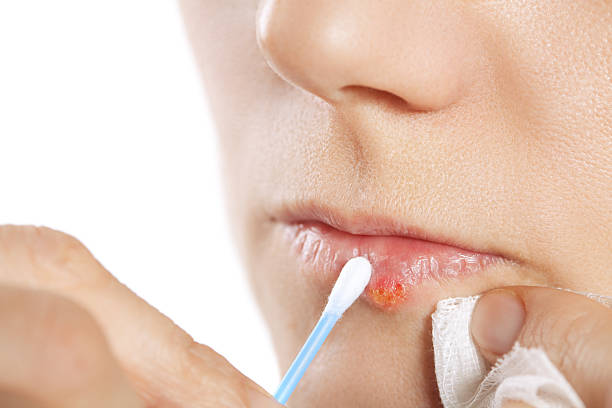
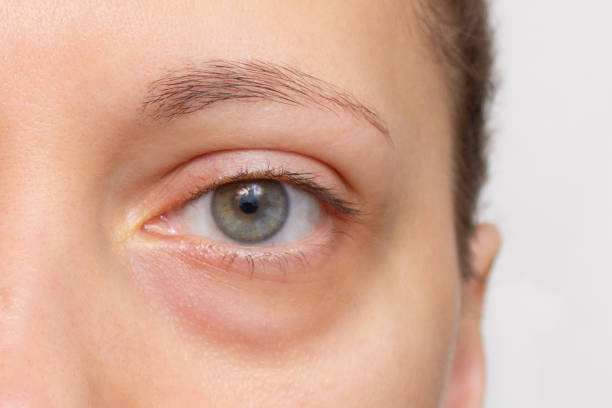
Dermatitis is a common skin condition that results in inflammation, redness, and irritation, often accompanied by itching, scaling, or blisters. While it can affect people of all ages, dermatitis is most frequently seen in individuals with sensitive skin or those exposed to irritants. There are several types of dermatitis, including atopic dermatitis (eczema), contact dermatitis, seborrheic dermatitis, and more. Each type has unique causes, but the general symptoms are usually the same itchy, inflamed, and dry skin. If you're struggling with dermatitis, you’ll want to know how to get rid of it quickly. Fortunately, there are various treatments and home remedies that can help relieve the symptoms and speed up the healing process. This article will cover effective ways to treat dermatitis quickly, other supportive measures, things to consider, and what you can do to prevent flare-ups in the future.
Best Ways to Get Rid of Dermatitis Quickly
1. Apply Topical Steroid Creams
Topical steroid creams are among the most commonly recommended treatments for dermatitis. These creams contain corticosteroids that reduce inflammation and help alleviate itching, redness, and swelling. For mild cases of dermatitis, over-the-counter (OTC) hydrocortisone creams are often effective and widely available. However, for more severe cases, your healthcare provider may prescribe a stronger steroid ointment. Apply the cream directly to the affected area as per the instructions, usually twice a day, and avoid overusing it to prevent thinning of the skin. Be mindful of the duration of use, as long-term use of strong steroids may have side effects.
2. Use Emollients and Moisturizers
Dry skin is a common trigger for dermatitis flare-ups, and keeping the skin moisturized is essential to both manage and prevent the condition. Emollients are moisturizers that not only hydrate the skin but also form a protective barrier to lock in moisture and prevent further irritation. Regularly apply a thick, fragrance-free emollient or ointment to the affected areas, especially after bathing. Products containing ceramides, which help restore the skin barrier, are particularly beneficial for people with dermatitis. Moisturizing at least twice a day can significantly reduce flare-ups and improve skin texture, helping the skin heal faster.
3. Take Lukewarm Baths with Oatmeal
Soaking in a lukewarm bath with oatmeal is a soothing remedy that helps reduce the irritation associated with dermatitis. Oatmeal has natural anti-inflammatory properties that can help calm the skin, relieve itching, and promote healing. To prepare an oatmeal bath, use colloidal oatmeal (finely ground oatmeal) or grind regular oatmeal into a fine powder and add it to your bathwater. Soak in the water for about 10-15 minutes, and afterward, gently pat your skin dry with a soft towel. Be sure to apply a moisturizer immediately after the bath to prevent skin from drying out. Avoid hot water, as it can worsen irritation and exacerbate dryness.
4. Apply Aloe Vera Gel
Aloe vera has long been used for its healing and anti-inflammatory properties, making it an excellent remedy for soothing the skin when dealing with dermatitis. Aloe vera gel can reduce redness and swelling and relieve itching. It’s a natural, gentle option, especially if you have sensitive skin. For maximum benefits, use fresh aloe vera gel from the plant itself, or you can purchase pure aloe vera gel from the store ensure it’s free of added fragrances or alcohol, which could irritate the skin. Apply aloe vera gel to the affected area several times a day for relief. It can also help accelerate the healing process, especially for irritated patches of skin.
5. Avoid Known Triggers
One of the most effective ways to get rid of dermatitis quickly is to identify and avoid any triggers that might be causing the flare-up. For people with contact dermatitis, common triggers include certain soaps, detergents, fragrances, or even metals like nickel. If you suffer from eczema, stress, extreme temperatures, or allergens such as pollen and pet dander can exacerbate symptoms. By pinpointing these triggers, you can avoid them and prevent further irritation. Make a note of your flare-ups and try to correlate them with specific environmental factors or products to identify patterns. Once you know what to avoid, managing dermatitis becomes more straightforward, leading to quicker relief and fewer outbreaks.
6. Consider Antihistamines for Itching
Antihistamines are often used to treat allergic reactions, but they can also be helpful in controlling itching associated with dermatitis. By blocking histamine, a chemical released during an allergic reaction, antihistamines can reduce the itchiness and discomfort that comes with dermatitis. You can take oral antihistamines like diphenhydramine (Benadryl) or loratadine (Claritin) to relieve symptoms. For nighttime use, Benadryl may also help with sleep if itching is preventing you from resting. Always consult a healthcare provider before using antihistamines regularly, especially if you have underlying health conditions.
7. Try Cold Compresses
A cold compress can be a quick and effective way to reduce itching and inflammation from dermatitis. Cold temperatures numb the skin, which can help ease irritation and swelling, making it easier to manage the symptoms. To use a cold compress, soak a clean cloth or towel in cold water, wring out the excess, and apply it to the affected areas for 15-20 minutes. Repeat several times a day if necessary. Avoid applying ice directly to the skin, as this could cause frostbite or further irritation. Cold compresses can provide immediate relief, especially when used in combination with other treatments like steroid creams or moisturizers.
8. Consider Phototherapy
For chronic or severe cases of dermatitis, phototherapy, or light therapy, may be recommended. This treatment involves exposing the skin to ultraviolet (UV) light under controlled conditions to reduce inflammation and encourage healing. Phototherapy is typically used for conditions like eczema or atopic dermatitis that don’t respond to topical treatments. The therapy is done in a medical setting under the supervision of a dermatologist. Although it’s not a quick fix, phototherapy can help control flare-ups and reduce the long-term need for medications. It’s usually considered when other treatments haven’t been effective.
Other Ways to Help Get Rid of Dermatitis
1. Use Calendula Cream – Calendula has soothing properties and may help reduce inflammation and promote healing.
2. Apply Coconut Oil – Coconut oil has moisturizing and antimicrobial properties that may support healing and hydration.
3. Try Witch Hazel – Witch hazel has astringent and anti-inflammatory properties that can help calm irritated skin.
4. Take Probiotics – Probiotics may help balance the gut microbiome, which can affect skin health and help reduce flare-ups.
5. Switch to Gentle Skin Care Products – Use fragrance-free, gentle, and hypoallergenic skin care products to avoid irritating the skin.
Things to Consider When Trying to Get Rid of Dermatitis Quickly
1. Consult a Dermatologist for Persistent Cases:
If your dermatitis persists despite trying over-the-counter treatments and home remedies, it may be necessary to consult a dermatologist. Dermatologists can help diagnose the exact type of dermatitis you have and recommend stronger prescription treatments. They may also perform patch testing to identify allergens or irritants that may be contributing to your symptoms. In some cases, additional treatments like oral medications or biologics may be required for optimal management.
2. Be Patient with Healing:
While there are many ways to treat dermatitis, it’s important to be patient with the healing process. Dermatitis can take time to improve, especially if the flare-up has been present for a while. Consistent treatment is key, and while some remedies may provide fast relief, it may take several days or weeks for the skin to fully heal. Overusing steroid creams or other topical treatments may worsen symptoms, so always follow recommended guidelines and seek medical advice if you're unsure.
3. Avoid Scratching the Affected Area:
It’s common to feel the urge to scratch when dealing with dermatitis due to the intense itching. However, scratching can make the condition worse by irritating the skin and potentially causing infections. To prevent scratching, try wearing loose clothing and keep your nails trimmed. Additionally, applying soothing treatments like cold compresses, moisturizing creams, or aloe vera gel can help reduce the itch and prevent further damage to the skin.
4. Understand the Type of Dermatitis:
Understanding the specific type of dermatitis you have is important for effective treatment. Different forms of dermatitis have different triggers and treatment approaches. For example, atopic dermatitis (eczema) is often associated with allergic reactions and requires different care compared to contact dermatitis, which is triggered by external irritants. If you’re unsure of the type of dermatitis, a professional diagnosis will help you choose the right treatment plan.
5. Avoid Harsh Skin Care Products:
Certain skin care products, such as those with fragrances, alcohol, or harsh chemicals, can exacerbate dermatitis and delay the healing process. Stick to gentle, hypoallergenic products that are specifically designed for sensitive skin. This includes soaps, lotions, and detergents. When choosing products, look for labels that mention being free from fragrances, dyes, and parabens. Switching to these products can significantly reduce flare-ups and accelerate the healing process.
In Summary
Getting rid of dermatitis quickly requires a combination of effective treatments, self-care practices, and an understanding of the condition's triggers. Topical steroid creams, emollients, and soothing remedies like oatmeal baths can provide quick relief from the itching and inflammation associated with dermatitis. It's also essential to avoid irritants and use gentle skin care products that support healing. While some remedies offer fast results, others may require more time for the skin to fully recover. If the condition persists or worsens, consulting a dermatologist is crucial to find the right treatment plan tailored to your specific type of dermatitis. With the right approach, you can manage and reduce the symptoms of dermatitis effectively.

.jpg)

.jpg)