.webp)
Tanzanian weddings are rich in cultural heritage, blending centuries-old traditions with modern influences to create memorable celebrations of love and commitment. From elaborate ceremonies to symbolic rituals, Tanzanian wedding customs reflect the diversity of the country's ethnic groups and regions. Let's explore some of the fascinating rituals and traditions that make Tanzanian weddings truly special.
Pre-Wedding Preparations
Negotiating the Bride Price (Mahari)
In many Tanzanian cultures, the groom's family is required to negotiate and pay a bride price, known as "mahari," to the bride's family as a sign of respect and appreciation. The mahari can include livestock, money, or other valuable gifts and serves as a symbol of the groom's commitment to providing for his future wife.
Traditional Attire
Before the wedding day, the bride and groom typically undergo traditional pre-wedding rituals and ceremonies. This may include special blessings from elders, purification rituals, and the donning of traditional attire. Brides often wear colorful kangas or kitenges, while grooms may wear a "kanzu" (a long robe) or a Western-style suit.
Wedding Day Customs
Arrival of the Groom
On the wedding day, the groom, accompanied by his family and friends, arrives at the bride's home or venue with much fanfare and celebration. This procession, known as the "Harusi," is often accompanied by music, singing, and dancing as a joyful expression of the groom's arrival.
Ceremonial Blessings
Before the wedding ceremony begins, both the bride and groom may receive blessings from elders or religious leaders. These blessings may include prayers for a happy and prosperous marriage, protection from evil spirits, and guidance for the journey ahead.
Exchange of Vows and Rings
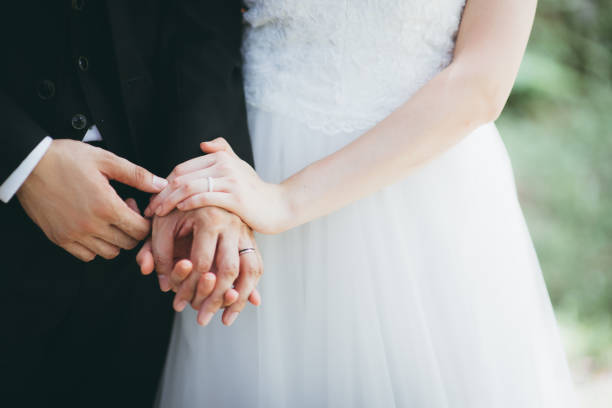
The wedding ceremony typically includes the exchange of vows and rings between the bride and groom, symbolizing their commitment to each other. In some Tanzanian cultures, traditional rituals such as the tying of the "kanga" (a piece of cloth) around the couple's hands may also be performed to signify their union.
Post-Wedding Celebrations
Feasting and Festivities
After the wedding ceremony, guests are treated to a lavish feast featuring a variety of traditional Tanzanian dishes. Staples such as pilau (spiced rice), nyama choma (grilled meat), and ugali (maize porridge) are often served, along with sweet treats and refreshments.
Dancing and Entertainment
Wedding receptions in Tanzania are lively affairs filled with music, dancing, and entertainment. Guests take to the dance floor to celebrate the newlyweds, with traditional drummers, musicians, and dancers adding to the festive atmosphere.
Gift-Giving
It is customary for guests to present gifts, usually in the form of money or household items, to the newlyweds as a token of their love and support. These gifts help the couple start their married life together and are greatly appreciated.
Conclusion
Tanzanian wedding customs are steeped in tradition and symbolism, reflecting the cultural heritage and values of the diverse communities that call the country home. From the negotiation of the bride price to the exchange of vows and rings, each ritual and tradition carries deep meaning and significance for the bride, groom, and their families. Through these time-honored customs, Tanzanian weddings celebrate love, unity, and the joy of coming together in matrimony.
.jpg)



.jpg)